
Save the Aravalli Hills: Phooldaan’s Initiative to Protect Nature and India’s Ecological Future
- Neha Sharma
- Dec 29, 2025
- 5 min read
The Aravalli Hills existed long before our cities, our borders, and our modern way of life.
They stood quietly when rivers changed their paths, when forests grew and thinned, and when civilisations rose and fell. For thousands of years, these hills have worked silently — storing water underground, slowing the spread of deserts, moderating climate, and supporting ecosystems that most of us never notice in our daily lives.
They never demanded attention. They never asked for protection.
Yet today, these ancient hills are slowly disappearing — not because nature failed, but because we stopped listening to it.
Mining, deforestation, and unchecked urban expansion are cutting into landscapes that took millions of years to form. What is being lost cannot be rebuilt with money, technology, or short-term policies.
At Phooldaan, we believe that saving the Aravalli Hills is not just an environmental issue. It is about protecting our water, our air, our climate, and our shared future.
This belief shapes everything we create — from our philosophy to our thoughtfully made décor that brings calm, balance, and intention into everyday spaces.




Why the Aravalli Hills Are Environmentally Critical?
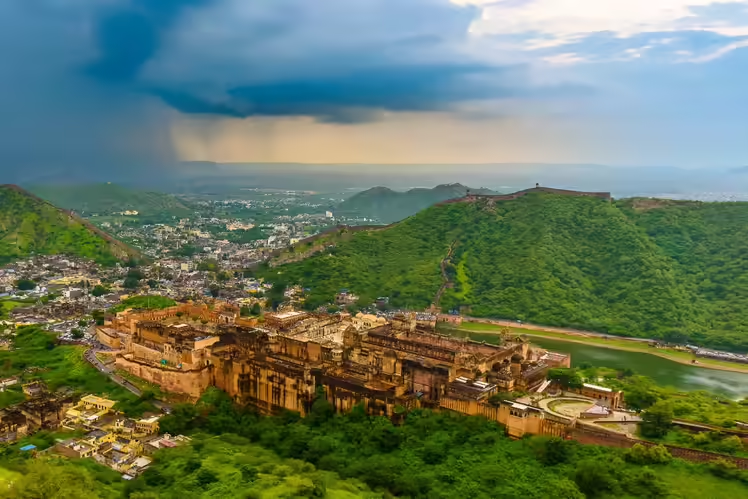
Stretching across Delhi, Haryana, Rajasthan, and Gujarat, the Aravalli range is one of the oldest mountain systems in the world. Its importance lies not in how tall it is, but in how deeply it supports life around it.
Groundwater Recharge and Water Security
The rocky and fractured structure of the Aravalli Hills allows rainwater to slowly seep into the ground instead of flowing away quickly. Over time, this natural process replenishes aquifers that supply water to millions of people across NCR, Rajasthan, and surrounding regions.
In cities where groundwater levels are falling every year, the Aravallis act as a natural safety net.
When these hills are damaged, rainwater no longer gets absorbed. It rushes off the surface, causes flooding in the short term, and leaves underground reserves empty in the long term. This is why protecting the Aravallis is directly linked to water security for future generations.

A Natural Barrier Against Desertification
The Aravalli range forms a natural barrier between fertile regions and the Thar Desert.
By slowing down wind movement and trapping sand, these hills prevent desert conditions from spreading eastward. This invisible protection supports agriculture, settlements, and climate stability in large parts of North India.
When hills are flattened or forests cleared, desertification does not arrive suddenly. It advances slowly, year after year, until once-productive land becomes dry, dusty, and unlivable.
Biodiversity and Climate Balance
Even in their current, degraded state, the Aravalli Hills support:
Native trees and medicinal plants
Birds, reptiles, and small mammals
Natural forest corridors that allow species to survive
These ecosystems help absorb carbon dioxide, regulate local temperatures, and reduce extreme heat.
Once destroyed, such systems cannot be recreated artificially. Nature does not respond well to shortcuts.
The Growing Threat: Deforestation, Mining, and Urban Expansion
Despite their importance, the Aravalli Hills have faced decades of pressure.
Unregulated mining has weakened hill structures. Forest land has been diverted for construction and infrastructure. Urban expansion has pushed deeper into fragile ecological zones.
Much of this damage happens quietly — far from public attention — but its consequences are permanent.
Broken hills lead to broken water systems. Cleared forests lead to rising temperatures. Fragmented landscapes lead to disappearing wildlife. What seems like development today often becomes a crisis tomorrow.
Supreme Court Decision and Its Impact on the Aravallis
Recognising the seriousness of the issue, the Supreme Court of India reviewed how the Aravalli Hills should be defined and protected.
What the decision includes:
Hills with 100 metres or more local elevation are classified as Aravalli Hills
Nearby hill clusters are treated as connected ecological ranges
No new mining leases until a sustainable management plan is finalised
Mining activities face stricter environmental scrutiny
The intention is conservation. However, many environmental experts have raised an important concern: ecosystems do not follow legal definitions.
Slopes, valleys, and smaller hill formations often play a crucial role in water flow, soil stability, and biodiversity. Protecting only what meets a numerical threshold risks leaving large ecological gaps unprotected.
“As natural systems break down, the need for mindful, nature-respecting living becomes more important than ever.”

Why Businesses Must Take Responsibility for Nature
Environmental protection cannot rest only on governments, courts, or activists.
Businesses influence:
What gets produced
How resources are sourced
What consumers are encouraged to buy
At Phooldaan, we believe that growth at the cost of nature is not progress.
Responsible businesses must design systems that respect ecological limits. They must choose awareness over silence and responsibility over convenience.
Every brand decision has an environmental footprint, whether acknowledged or not.
“For us at Phooldaan, this responsibility reflects not just in what we say, but in what we create for everyday living”
How Phooldaan Is Taking Action for Nature
Phooldaan was built on a nature-first philosophy.
Our commitment goes beyond products. It reflects in:
Supporting conversations around environmental conservation
Encouraging conscious and mindful living
Choosing ethical sourcing and craftsmanship
Aligning business growth with long-term sustainability
We believe meaningful change begins with intention — and grows through everyday choices.
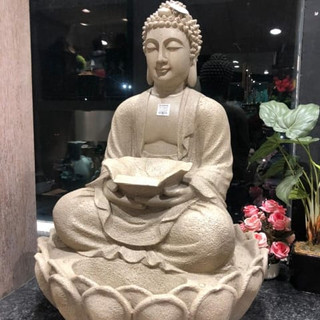
This philosophy shapes the products we offer — from calming Buddha statues that encourage stillness, to indoor plants that reconnect homes with greenery, and water fountains designed to bring a sense of flow and balance into everyday spaces.
Conscious Living as a Path to Conservation
Large environmental change rarely begins with one dramatic action.
It begins quietly, with small and consistent decisions made by many people.
When you choose:
Thoughtfully made décor
Nature-inspired design
Sustainable gifting options
you support systems that value responsibility over speed and care over excess.
At Phooldaan, our collections are designed to bring calm, balance, and intention into everyday spaces — values that reflect a deeper respect for nature.
Each choice supports ethical sourcing, artisanship, and a more balanced relationship with the environment.
Conscious living often begins at home — in the spaces we return to every day. Choosing nature-inspired elements can quietly shape how we think, feel, and live.
How You Can Help Save the Aravalli Hills
You don’t need to be an environmental expert to make a difference.
You can help by:
Staying informed and sharing awareness
Supporting sustainable and ethical brands
Reducing unnecessary consumption
Respecting natural landscapes
Speaking up for long-term environmental protection
When many people make conscious choices, they create real impact.
Why Awareness Matters More Than Ever
One of the biggest threats to ecosystems like the Aravallis is not just destruction — it is indifference.
When people do not know what is being lost, there is no urgency to protect it. Awareness creates responsibility. Responsibility leads to action.
Conversations, education, and storytelling play a powerful role in shaping how society values nature.
Saving the Aravallis Is Saving Our Future
The Aravalli Hills have protected us for centuries — quietly, patiently, without asking anything in return.
They shaped our climate, stored our water, and balanced our ecosystems long before we understood their value.
Now, they need our protection.
At Phooldaan, we stand for:
🌿 Nature over neglect
🌿 Sustainability over short-term gain
🌿 Responsibility over convenience
Every sustainable choice matters. Explore Phooldaan’s nature-friendly collection and be part of conscious living.


Comments