


Traditional Soil

Lotus 60 Tower
Soil-Free
Pest Free
Water Saving

Perfect for Balconies and Terraces
Beginner Friendlly Design
Grow Leafy Greens, Herbs & More
Efficient Nutrient Mist Delivery

Perfect for Growing

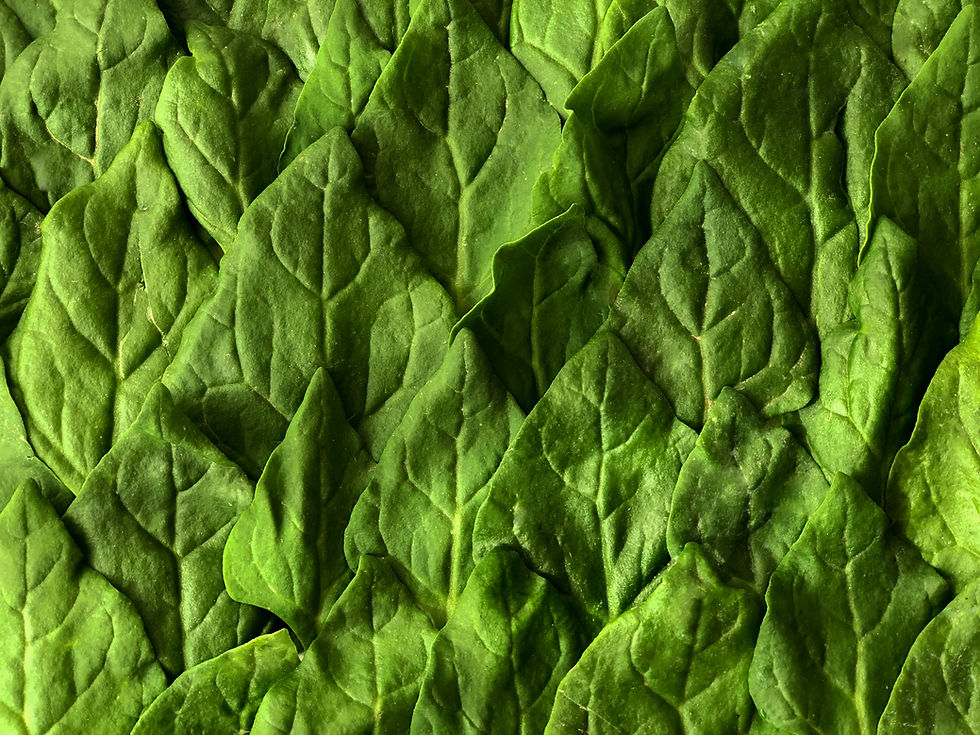
Spinach

Herbs

Lettuce

Strawberries
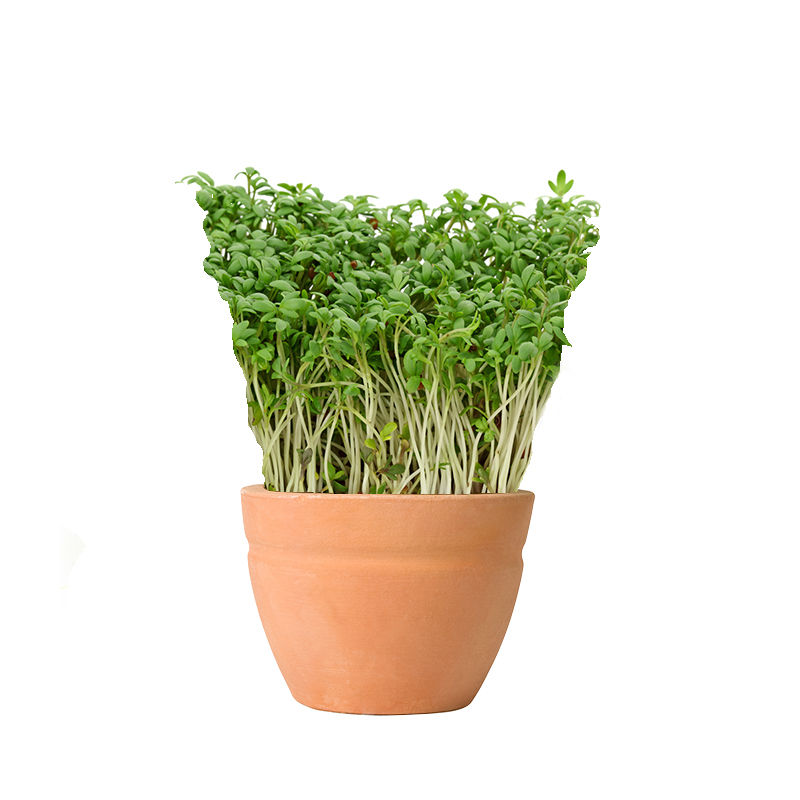
Microgreens

Small Veggies
Technical Specifications
Tower Material: Food Grade, UV Resistant Plastic
Height: 7.5 ft
Base Dimensions: 16X15 inches (rectangular)
Net Pot Size: 3"
Pump: Submersible 40W, 1200 LPH flow rate
Timer Switch (optional): 15min on/115 min off
Reservoir Capacity: 60 liters
Power Supply: 220-240V
Weight: 14kg (without water)
Watering System: Droplet
Plant Capacity: Upto 60 Plants

Our Complete Product Range
Aeroponics


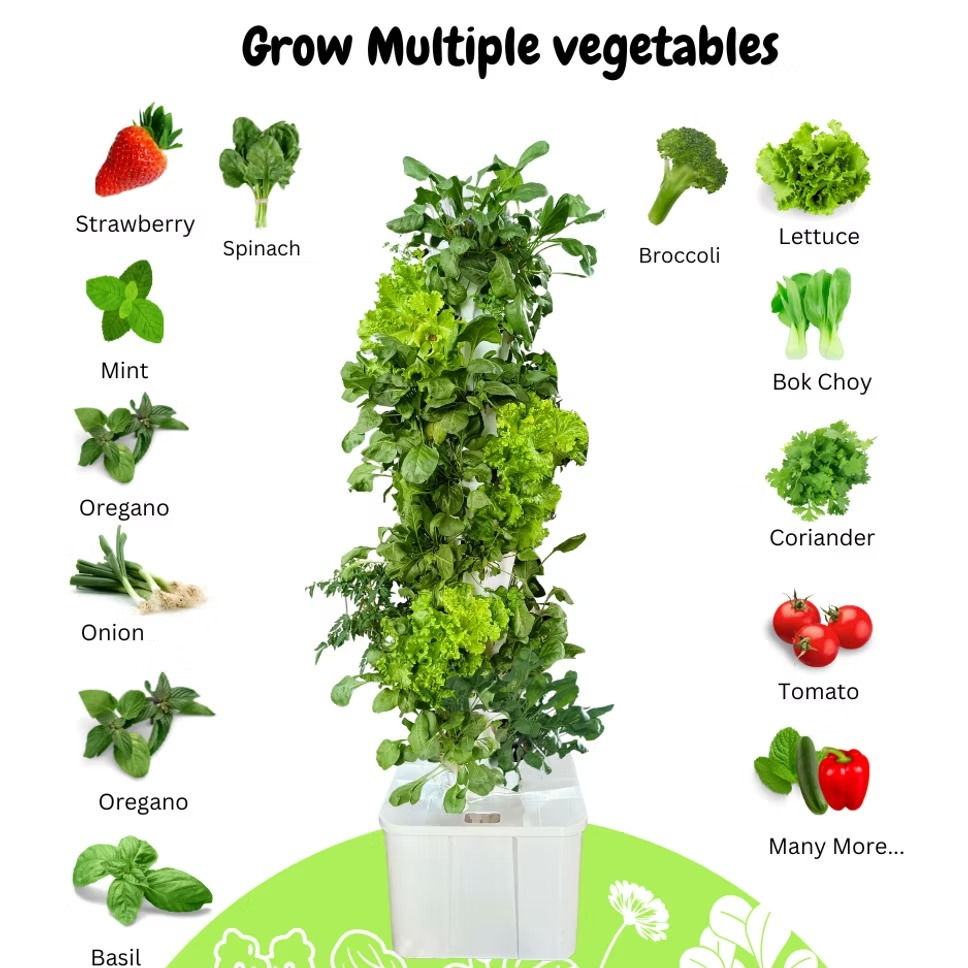


Lotus 60 Aeroponic Tower: High-Capacity Vertical Farming for Serious Growers
The future of food production is vertical, soil-free, and resource-efficient. As urban spaces shrink and the demand for fresh, clean produce continues to rise, aeroponic towers have emerged as one of the most effective solutions for modern growing. The Lotus 60 Aeroponics, Hydroponics Vertical Garden Tower represents the next stage in this evolution — a high-capacity, performance-driven aeroponic tower designed for growers who need scale, consistency, and reliability.
The Lotus 60 is engineered for growers who have moved beyond hobby gardening and are ready for higher output. Positioned within Phooldaan’s professional aeroponics lineup, it bridges the gap between compact home systems like the Lotus 30 and large-scale solutions such as the Nova 120 Aeroponics System. It delivers double the planting capacity of entry-level aeroponic towers while maintaining the efficiency, cleanliness, and control that define aeroponic farming.
Whether installed on a terrace, rooftop, greenhouse, or controlled indoor environment, the Lotus 60 offers a powerful way to grow more food using less space, less water, and fewer inputs — without compromising plant health or crop quality.
Understanding the Lotus 60 Aeroponic Tower System
The Lotus 60 operates as a vertical aeroponic tower system where plant roots are suspended in air and periodically misted with a nutrient-rich solution. This method allows roots to receive optimal oxygen exposure while absorbing water and nutrients directly, creating ideal growing conditions that are difficult to achieve with soil or conventional hydroponics.
Unlike smaller aeroponic towers designed primarily for casual home use, the Lotus 60 is built for continuous crop cycles. Its structure, capacity, and nutrient delivery system are optimised for growers who want predictable harvests, faster growth rates, and uniform plant development across multiple crop cycles.
The system supports both aeroponic and hydroponic compatibility, giving growers flexibility to adjust growing methods depending on crop type, stage of growth, or personal preference. This adaptability makes the Lotus 60 suitable for a wide range of applications, from advanced home farming to semi-commercial urban agriculture.
Growers looking to understand how aeroponic towers fit into modern farming systems can explore the broader aeroponics ecosystem through Phooldaan’s dedicated aeroponics category and educational blog resources.
Why Aeroponic Towers Are Transforming Modern Farming?
Maximum Root Oxygenation
Aeroponic towers expose plant roots directly to air, allowing them to absorb oxygen far more efficiently than soil-based or water-submerged systems. This increased oxygen availability accelerates root development and overall plant growth.
Faster Growth Cycles
Plants grown in aeroponic towers typically mature faster than those grown in soil. Nutrients are delivered directly to the root zone, reducing energy expenditure and improving growth efficiency.
Superior Water Efficiency
Aeroponic towers like the Lotus 60 use a closed-loop nutrient circulation system. Water is reused and recirculated, resulting in up to 90 percent lower water usage compared to traditional soil farming.
Cleaner, Soil-Free Cultivation
Without soil, aeroponic towers eliminate many common agricultural challenges, including soil-borne diseases, weeds, and pests. This leads to cleaner growing environments and healthier produce.
Space Optimisation Through Vertical Design
Vertical aeroponic towers allow growers to maximise yield per square foot. This makes them ideal for urban environments where horizontal growing space is limited.
Technical Specifications of the Lotus 60 Aeroponic Tower
The Lotus 60 is built for durability, efficiency, and long-term performance.
Plant Capacity: 60 planting sites
System Type: Vertical aeroponic tower
Farming Method: Aeroponics and hydroponics compatible
Water Management: Closed-loop nutrient circulation
Material: Food-grade, UV-stabilised plastic
Pump System: Submersible pump with timed misting
Installation: Modular, plug-and-play structure
Maintenance Level: Low to moderate
These specifications make the Lotus 60 a reliable aeroponic tower for high-yield and repeated use.
What Plants Can You Grow with Lotus 30?
The Lotus 30 excels with a wide range of plants suited to aeroponic cultivation, including:
Leafy Greens
-
Lettuce
-
Spinach
-
Romaine
-
Kale
Herbs
-
Basil
-
Mint
-
Oregano
-
Coriander
Other Crops
-
Strawberries
-
Swiss chard
-
Microgreens
-
Compact fruiting plants
-
These crops benefit significantly from aeroponic cultivation, showing faster growth, uniform size, and improved quality. Growers can optimise crop planning by referring to Phooldaan’s aeroponics blog guides and crop-specific resources.
Key Advantages of the Lotus 60 Aeroponic Tower
High-Density Vertical Growing Capacity
With 60 dedicated planting sites, the Lotus 60 doubles the output potential of smaller aeroponic towers without a proportional increase in space requirements. This high-density configuration is ideal for growers who need increased production in compact environments.
Optimised Aeroponic Nutrient Delivery
The Lotus 60 features an advanced misting system that delivers nutrients evenly across all plant roots. This uniform distribution improves nutrient uptake efficiency, supports consistent plant growth, and reduces nutrient waste.
Water-Efficient Aero Farming System
Like all Phooldaan aeroponic towers, the Lotus 60 uses a closed-loop water circulation design. This dramatically reduces water consumption and makes the system suitable for regions facing water scarcity.
Reduced Pest and Disease Risk
The absence of soil significantly lowers the risk of pests and pathogens. Growers can maintain cleaner growing conditions and reduce reliance on chemical pesticides.
Scalable and Expansion-Ready Design
The Lotus 60 is often chosen by growers planning to scale their operations. It serves as a natural progression toward larger systems such as the Nova series aeroponic towers available through Phooldaan’s aeroponics catalogue.
Lotus 60 vs Lotus 30: Capacity and Performance Comparison
The Lotus 60 is designed for growers who have outgrown entry-level aeroponic towers.
Plant Sites
Lotus 30: 30
Lotus 60: 60
Yield Potential
Lotus 30: Moderate
Lotus 60: High
Space Requirement
Lotus 30: Compact
Lotus 60: Compact to medium
Ideal Use Case
Lotus 30: Home gardening
Lotus 60: High-output urban farming
Scalability
Lotus 30: Entry-level
Lotus 60: Expansion-ready
For growers seeking more production without moving directly into large commercial systems, the Lotus 60 offers a balanced and powerful upgrade.
Applications of the Lotus 60 Aeroponic Tower
High-Yield Home Farming
Advanced home growers can use the Lotus 60 to produce a consistent supply of leafy greens and herbs year-round.
Rooftop and Terrace Farming
Its vertical design makes it ideal for rooftop gardens and terrace installations where space efficiency is critical.
Urban Vertical Farms
The Lotus 60 is well-suited for urban farming initiatives that require scalable, modular aeroponic towers.
Educational and Training Institutions
Schools, colleges, and agricultural training centres use the Lotus 60 to demonstrate modern farming techniques.
Cafés and Health-Focused Kitchens
Restaurants and cafés focused on fresh, local produce can grow herbs and greens on-site using the Lotus 60.
For larger institutional requirements, Phooldaan also offers high-capacity systems such as the Nova 120 Aeroponics System.
Maintenance and Operational Guidelines for Lotus 60
Operating the Lotus 60 aeroponic tower is straightforward when best practices are followed.
-
Monitor and replenish nutrient solution weekly
-
Inspect pump and misting system regularly
-
Clean the reservoir and internal components monthly
-
Check plant health and root development consistently
-
Maintain nutrient concentration using tools such as a TDS Meter
Phooldaan provides detailed usage documentation and educational support through its website and aeroponics blog.
Sustainability and Resource Efficiency
The Lotus 60 aeroponic tower is designed to support sustainable agriculture practices.
-
Reduces water usage by up to 90 percent
-
Minimises fertiliser runoff
-
Eliminates soil degradation
-
Supports decentralised food production
-
Reduces dependency on long supply chains
These benefits align with India’s growing focus on climate-resilient and resource-efficient farming solutions.
Who Should Choose the Lotus 60 Aeroponic Tower?
The Lotus 60 is ideal for:
-
Advanced home growers
-
Urban farmers seeking higher yields
-
Educational institutions
-
Small food businesses and cafés
-
Growers planning commercial expansion
It is especially well-suited for users who want the performance of professional aeroponic towers without the complexity of large industrial systems.
Why Choose Phooldaan Aeroponic Towers?
Phooldaan’s aeroponic towers are designed with a deep understanding of Indian growing conditions, urban constraints, and sustainability goals. Every system is built to balance performance, efficiency, and ease of use.
When you choose the Lotus 60 from Phooldaan, you gain access to:
-
Proven aeroponic tower technology
-
Durable, food-safe materials
-
Educational resources and growing guides
-
Scalable solutions across the aeroponics range
-
Support from a brand committed to sustainable innovation
Phooldaan’s aeroponic towers are not just products — they are long-term growing solutions.
Frequently Asked Questions About the Lotus 60 Aeroponic Tower
What is the Lotus 60 aeroponic tower used for?
The Lotus 60 is used for high-capacity aeroponic farming of leafy greens, herbs, and compact crops.
How many plants can the Lotus 60 grow?
The system supports up to 60 plants simultaneously.
Is the Lotus 60 suitable for beginners?
It is best suited for intermediate to advanced growers, though motivated beginners can also use it successfully.
Does the Lotus 60 require soil?
No, it is a completely soil-free aeroponic tower.
How much water does the Lotus 60 use?
It uses significantly less water than soil farming, up to 90 percent less.
Can the Lotus 60 be used indoors?
Yes, with proper lighting and ventilation.
Is Lotus 60 better than traditional hydroponics?
Aeroponic towers provide better oxygenation and faster growth than most hydroponic systems.
What crops grow best in the Lotus 60?
Leafy greens, herbs, microgreens, strawberries, and compact crops.
How often does the system need cleaning?
Monthly cleaning is recommended for optimal performance.
Is the Lotus 60 scalable?
Yes, it is designed as a stepping stone toward larger aeroponic systems.
Can the Lotus 60 support year-round growing?
Yes, in controlled environments it supports continuous crop cycles.
Is the Lotus 60 suitable for Indian climate conditions?
Yes, it is built to adapt to a wide range of Indian environments.
Does the Lotus 60 consume a lot of electricity?
No, it uses an efficient submersible pump with low power requirements.
Is the produce grown pesticide-free?
Yes, the system supports clean, chemical-free cultivation.
How long do plants take to grow in the Lotus 60?
Growth is generally faster than soil-grown plants, depending on crop type.
Is the Lotus 60 good for commercial use?
It is ideal for semi-commercial and high-output urban farming applications.
Explore About Aeroponics:
-
How to Start an Aeroponics System at Home — The Ultimate Guide to Soil-Free Gardening in 2025
-
Aeroponics: The Future of Soil-Free Gardening for Urban Indian Homes
-
Aeroponics in 2025 — The Smartest Way to Grow Your Own Food at Home
-
The Ultimate Guide to Using an Aeroponics System in 2025
-
Aeroponic Tower Buying Guide 2025 — Prices, Features & the Best Systems for Indian Homes
-
Aeroponics vs Hydroponics vs Soil — Which Home-Growing System Should You Choose in 2025?
-
Aeroponics: The Modern Wellness Essential Your Home Has Been Waiting for in 2025
Product Links:
-
Nova 20 Planter, Aeroponics Hydroponics Tower system for Home Gardening
-
Nova 40 with 20L Tank Aeroponics Tower, Vertical Garden System
-
Nova 40 with 60L Aeroponics & Hydroponics Vertical Garden Tower
-
Lotus 30: Aeroponics, Hydroponics Vertical Garden Tower
-
Nova 35: Indoor Aeroponics Tower with Grow Lights
-
Lotus 60: Aeroponics, Hydroponics Vertical Garden Tower
-
Nova 120 Aeroponics System – Vertical Garden for Modern Hydroponic Farming
Our Other Pages on Aeroponics: