

Exploring the Profound Buddha Statue Meaning for Your Home Sanctuary
Handcrafted
Thoughtfully crafted with fine detailing
Serene Design
Designed to evoke calm and positive energy
Durable Finish
Made using high-quality materials
Versatile Decor
Perfect for Every Space
Our Buddha Statues blend timeless artistry with spiritual elegance, helping you create tranquil spaces that inspire mindfulness, peace, and harmony.
Upgrade your home with Phooldaan's Buddha Statues!
Buy Buddha Statues in India Online from Phooldaan


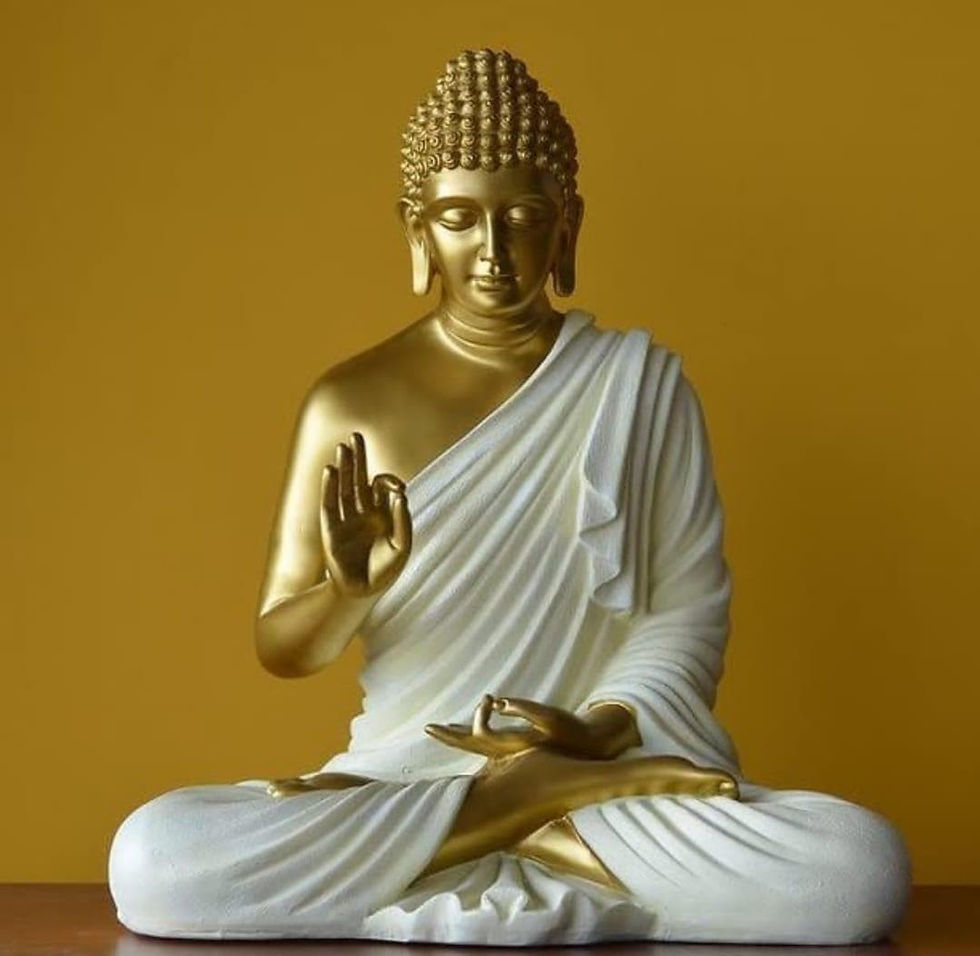


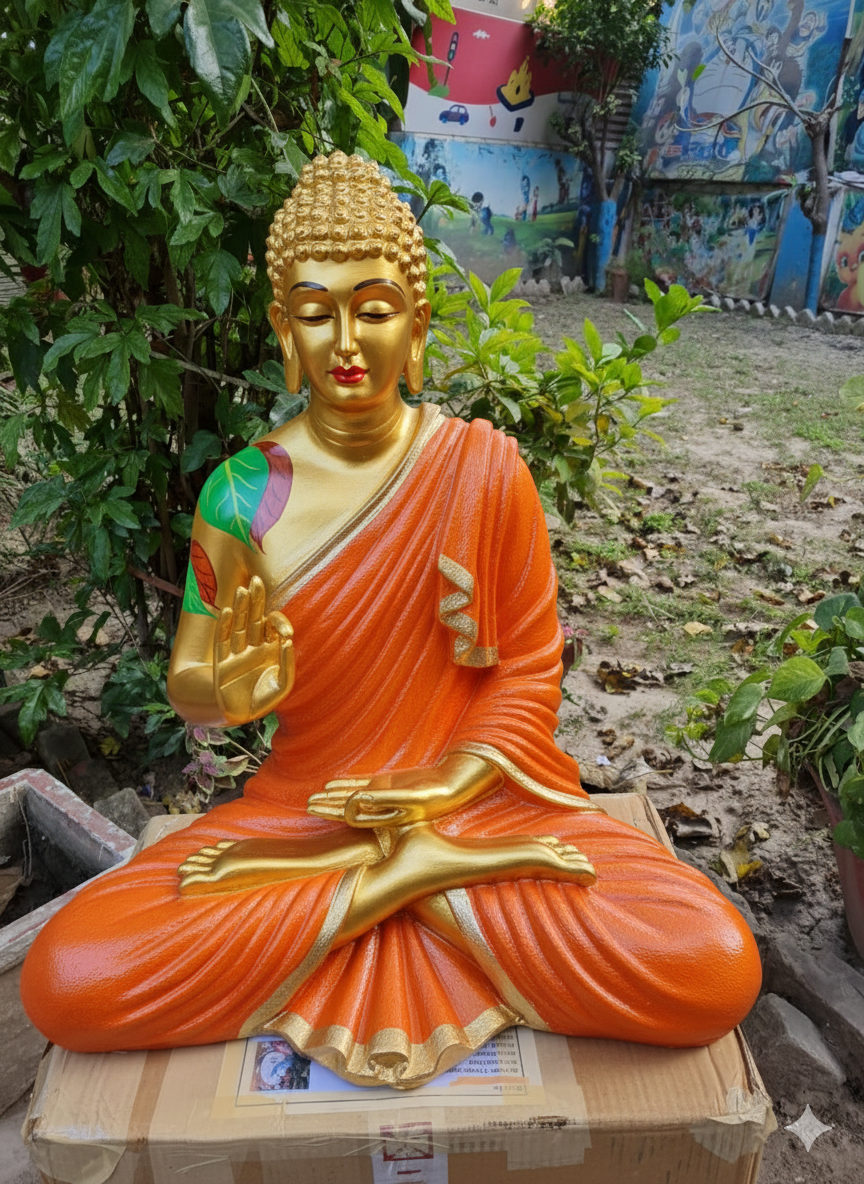


Why Buddha Statues Belong in Every Space
Create calm, mindful environments with Phooldaan’s curated Buddha Statue collection, designed for homes, offices, meditation corners, and gardens. Each statue is thoughtfully crafted to bring balance, serenity, and timeless aesthetic appeal—making them perfect for modern living spaces seeking peace and positivity.

Meditative Buddha Statues
Ideal for calm corners

Handcrafted Buddha Statues
Crafted with detail

Peaceful Home Decor
Enhance positive energy

Indoor & Outdoor Buddha Statues
Versatile placement
Buddha Statues that Bring Calm
Transform your space with Buddha statues designed to create peace, mindfulness, and visual harmony. Whether placed in living rooms, meditation corners, workspaces, balconies, or gardens, our Buddha statues help cultivate a sense of stillness and positive energy in everyday life.
Thoughtfully crafted for modern homes, each statue blends spiritual symbolism with refined aesthetics. From serene meditative poses to elegant handcrafted finishes, these pieces are more than decor—they’re gentle reminders to slow down, breathe, and reconnect. Ideal for both first-time buyers and seasoned collectors, our Buddha statues elevate interiors with meaning and grace.
Buddha Statues for Every Space
Modern living spaces are often filled with noise, visual clutter, and constant movement. Buddha statues help restore balance by introducing stillness, mindfulness, and a sense of calm into everyday environments. Each space has a different purpose, which is why Phooldaan offers Buddha statues in a variety of styles, sizes, and finishes—making it easy to find the right piece for your home, workspace, or outdoor area.

Living Rooms
Statement pieces for serene interiors

Bedrooms
Peaceful presence for restful spaces

Home - Offices
Calm that improves focus

Balconies and Corners
Quiet moments in everyday spaces

Benefits You'll Experience with Buddha Statues
Calm and Mindfulness
Create peaceful surroundings that encourage relaxation, meditation, and emotional balance in everyday spaces.
Positive Energy
Buddha statues are believed to promote harmony, clarity, and a sense of well-being in homes and workspaces.
Timeless Aesthetic
Thoughtfully crafted designs add elegance and serenity, blending spiritual meaning with modern décor.
Low-Maintenance Decor
No upkeep, no effort—just lasting beauty and calm that enhances your space effortlessly.
Exploring the Profound Buddha Statue Meaning for Your Home Sanctuary
Introduction
In the modern world, our homes have become our most important retreats. Life in India can be fast and full of noise. Consequently, many people are looking for ways to bring peace and balance into their living spaces. One of the most beautiful ways to do this is by adding a buddha statue to your décor. However, it is not just about the look. Specifically, understanding the Buddha Statue meaning helps you connect with the energy you want to invite home. A Buddha icon acts as a silent teacher. It reminds us to stay calm, focused, and kind. Therefore, this guide will help you understand the history, the symbolism, and the best ways to style these sacred pieces. Moreover, we will explore the different hand gestures, known as Mudras. In addition, we will look at how to choose the right material for your needs.
This guide explores:
-
The spiritual symbolism behind Buddha statues
-
The meaning of different Mudras (hand gestures)
-
The difference between Gautam Buddha and the Laughing Buddha
-
How to choose the right material
-
Vastu placement guidelines
-
Styling ideas for modern Indian homes
What is the Deep Spiritual Meaning of a Buddha Statue?
A Buddha statue is far more than decorative art. For centuries, it has symbolized enlightenment, awareness, and inner transformation.
The core meaning traces back to Gautama Buddha, born Siddhartha Gautama—a prince who renounced luxury to seek the truth about suffering. His journey represents the human ability to rise above pain and discover wisdom.
Having a Buddha statue at home serves as a visual reminder to:
-
Pause before reacting
-
Cultivate inner peace
-
Choose awareness over impulse
-
Live with compassion
A Symbol of Mindfulness and Awareness
The serene facial expression of Buddha statues is deeply intentional:
-
Half-closed eyes → Looking inward for truth
-
Gentle smile → Freedom from worry
-
Long earlobes → His royal past and willingness to listen to the world’s suffering
These features subtly encourage mindfulness in daily life.
A Symbol of Mindfulness and Awareness
When you look at a Buddha, you often see a face of perfect calm. This is intentional. Specifically, the half-closed eyes signify looking inward for answers. Moreover, the slight smile represents the joy of being free from worries. In addition, the long earlobes remind us of his royal past and his choice to listen to the world’s pain instead of chasing wealth. Therefore, the statue encourages us to practice mindfulness every day. Consequently, it changes how we react to stress in our busy lives.
Decoding the Language of Mudras: The Hand Gestures
One of the most important parts of the Buddha Statue meaning is the hand gesture, or Mudra. Each Mudra tells a different story. Specifically, they represent different stages of the Buddha's journey to enlightenment.
Dhyana Mudra: The Path of Meditation
The Dhyana Mudra is perhaps the most famous pose. In this gesture, the Buddha is seated with both hands in his lap. The right hand sits on top of the left, with palms facing up. Often, the thumbs touch to form a triangle. This triangle represents the "Three Jewels" of Buddhism: the Buddha, the Teachings, and the Community. Consequently, this pose is perfect for meditation corners. Moreover, it symbolizes total concentration and inner harmony. Therefore, it is the best choice if you seek more focus in your life.
Abhaya Mudra: The Sign of Protection
The Abhaya Mudra is the gesture of fearlessness. Specifically, the right hand is raised to shoulder level with the palm facing out. This gesture represents protection and the calming of the mind. Legend says the Buddha used this hand sign to stop a rampaging elephant. Consequently, placing this buddha statue near your entrance is a great idea. It wards off negative energy and makes guests feel safe. Furthermore, it reminds you to face your fears with a steady heart.
Vitarka Mudra: The Energy of Teaching
The Vitarka Mudra represents discussion and the sharing of wisdom. In this pose, the tips of the thumb and index finger touch to form a circle. This circle symbolizes the "Wheel of Dharma," which has no beginning or end. Consequently, it is a popular choice for study rooms and home offices. It encourages clear thinking and the continuous flow of knowledge. Moreover, it helps in resolving intellectual conflicts through peaceful dialogue.
It is very common for people to confuse Gautam Buddha with the Laughing Buddha. However, they are quite different. Gautam Buddha was the historical founder of Buddhism who taught meditation and wisdom. On the other hand, the Laughing Buddha (Budai or Hotei) is a figure from folklore who represents joy and abundance.
The Joy of Abundance
The Laughing Buddha is usually shown with a big belly and a wide smile. Specifically, he symbolizes good luck and wealth. Many people believe that rubbing his belly brings prosperity. Consequently, he is often placed in living rooms or facing the main door. Furthermore, he reminds us to take life’s challenges with a laugh. Therefore, while Gautam Buddha helps with spiritual growth, the Laughing Buddha helps with happiness and material success.
Choosing the Right Material for Your Buddha Statue
The material of your buddha statue can change its energy and durability. At Phooldaan, we provide high-quality statues in materials that suit the Indian climate and lifestyle.
Traditional Brass and Its Vastu Benefits
Brass is a classic choice. In Vastu Shastra, brass is seen as a "sattvic" or pure material. Specifically, it is an alloy of copper and zinc, which carries the energy of fire and earth. Consequently, brass statues are very good for pooja rooms. They are sturdy, long-lasting, and detailed. Moreover, the golden hue of brass symbolizes divine radiance. Therefore, a brass Buddha is a premium investment for your home's spiritual core.
Modern Polyresin and Fiber
Polyresin is perfect for modern homes because it is lightweight and durable. Specifically, it allows for incredible detail in the robes and facial expressions of the statue. Phooldaan offers polyresin statues in dual-tone finishes like Antique Bronze and Teal or Wine Red and Gold. Furthermore, these statues are weather-resistant. Consequently, you can place them on balconies or terraces without fear of damage.
Grounding Stone and Marble
Stone and marble represent the earth element. Specifically, a marble buddha statue symbolizes purity and clarity of thought. These statues are perfect for gardens because they blend into nature beautifully. Moreover, they offer a tactile and premium presence. Because they are heavy, they provide a sense of stability and permanence to your space.
Vastu Shastra Guidelines for Placing Your Buddha Statue
In India, where you place your statue is as important as the statue itself. According to Vastu Shastra, correct placement invites positive energy (Prana).
The Sacred North-East Direction
The North-East corner, or "Ishan Kona," is the best place for a buddha statue. Specifically, this area is the zone of wisdom and spiritual growth. By placing a meditating Buddha here, you enhance the peace of the entire family. Moreover, the statue should always be placed at eye level or above. Never place the Buddha on the floor, as this is considered disrespectful. Therefore, using a pedestal or a clean table is highly recommended.
Facing the Main Entrance
Placing a buddha statue facing the main door is believed to block negative vibrations from entering your home. Specifically, an Abhaya Mudra or a Laughing Buddha works best here. Consequently, it creates a welcoming and protective environment. Furthermore, ensure the area is clean and well-lit. In addition, avoid placing the statue near shoe racks or under a staircase, as these are considered unfavorable spots.
Styling Your Space with "Living Décor"
At Phooldaan, we believe in "Living Décor." This means combining spiritual icons with nature to create a balanced ecosystem.
Integrating Plants and Light
A buddha statue looks stunning when paired with indoor plants like Snake Plants or Peace Lilies. Specifically, the green leaves highlight the serenity of the statue. Moreover, you can use soft LED lights to create a peaceful glow in the evening. Consequently, the space becomes a true meditation nook. In addition, adding a water fountain can further elevate the energy. Therefore, the sound of flowing water and the sight of the Buddha work together to reduce your stress.
Why Phooldaan? Quality and Ethical Craftsmanship
When you buy a buddha statue online, you want to know it is made with care. Phooldaan works with skilled artisans from regions like Jaipur and Uttar Pradesh. Specifically, we ensure fine detailing and high-quality finishes. Moreover, we prioritize ethical sourcing and conscious consumption. Consequently, each statue is not just a product, but a piece of heritage. Therefore, choosing a Phooldaan Buddha ensures that you are bringing home a statue that is crafted with respect and soul.
In conclusion, understanding the Buddha Statue meaning transforms how you see your home décor. Specifically, it shifts from being a mere ornament to a powerful tool for wellness. By choosing a buddha statue that resonates with your intent—whether it is peace, protection, or wisdom—you create a sanctuary of your own. At Phooldaan, we are dedicated to helping you find that perfect piece. Moreover, our collection is designed to fit the modern Indian lifestyle while honoring ancient traditions. Therefore, we invite you to explore our range and start your journey toward a more mindful home today. Furthermore, remember that the true presence of the Buddha is in the peace you find within yourself.
Frequently Asked Questions
1. Is it good to keep a Buddha statue at home?
Yes, it is excellent. Specifically, it brings peace, mindfulness, and positive energy into your living space.
2. Where should I place a meditating Buddha statue for Vastu?
The best direction is the North-East corner of your home. Always keep it elevated on a table or pedestal.
3. What is the Buddha Statue meaning of the hand touching the earth?
This is the Bhumisparsha Mudra. Specifically, it represents the moment of the Buddha's enlightenment and his connection to the truth of the earth.
4. Can I keep a Buddha statue in my bedroom?
Yes, you can. However, it is better to place it on a side table at a high level. Specifically, avoid having it face the bed directly to maintain a respectful energy.
5. How do I clean my Buddha statue?
Use a soft, dry cloth for regular dusting. Specifically, avoid harsh chemicals that could damage the paint or finish of the statue.
6. What is the difference between a Buddha head and a full body statue?
A full body statue usually depicts a specific Mudra or story. Conversely, a Buddha head focuses on his pure wisdom and serene expression, making it a great focal point for study rooms.
7. Can I gift a Buddha statue to someone?
Yes, it is considered a very auspicious and thoughtful gift for weddings or housewarmings. It represents a wish for peace and prosperity for the receiver.
8. Is a Laughing Buddha the same as Gautam Buddha?
No. Gautam Buddha is the spiritual teacher of meditation. The Laughing Buddha is a folk figure representing wealth and joy.