

Buddha Statues for Peaceful & Mindful Spaces
Handcrafted
Thoughtfully crafted with fine detailing
Serene Design
Designed to evoke calm and positive energy
Durable Finish
Made using high-quality materials
Versatile Decor
Perfect for Every Space
Our Buddha Statues blend timeless artistry with spiritual elegance, helping you create tranquil spaces that inspire mindfulness, peace, and harmony.
Upgrade your home with Phooldaan's Buddha Statues!
Buy Buddha Statues Online at Best Prices from Phooldaan


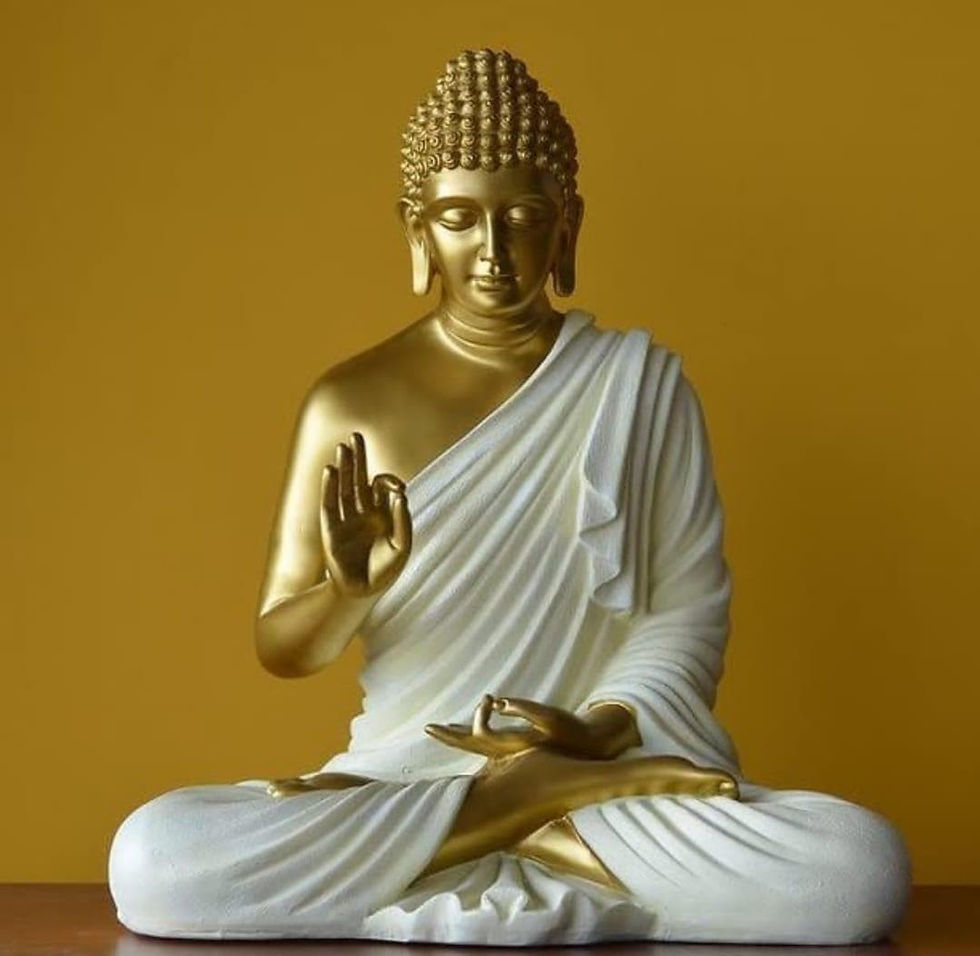


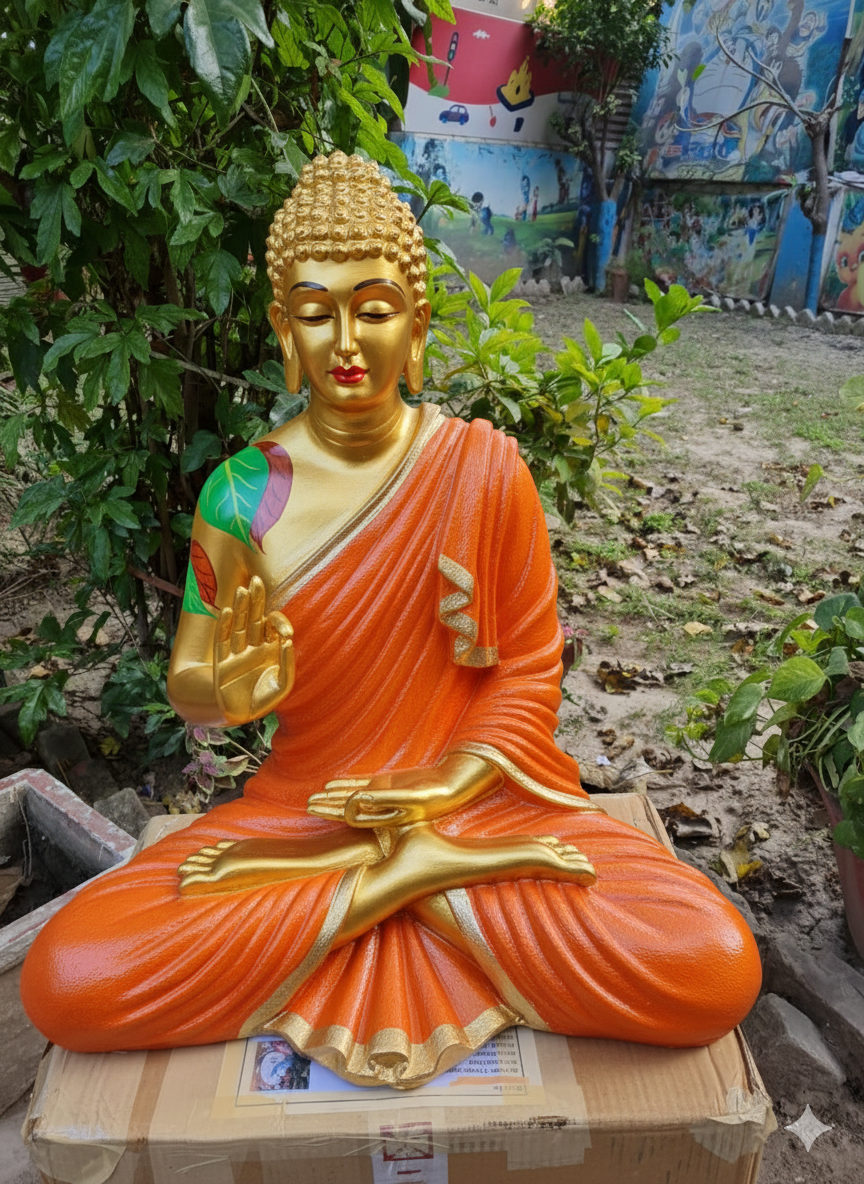


Why Buddha Statues Belong in Every Space
Create calm, mindful environments with Phooldaan’s curated Buddha Statue collection, designed for homes, offices, meditation corners, and gardens. Each statue is thoughtfully crafted to bring balance, serenity, and timeless aesthetic appeal—making them perfect for modern living spaces seeking peace and positivity.

Meditative Buddha Statues
Ideal for calm corners

Handcrafted Buddha Statues
Crafted with detail

Peaceful Home Decor
Enhance positive energy

Indoor & Outdoor Buddha Statues
Versatile placement
Buddha Statues that Bring Calm
Transform your space with Buddha statues designed to create peace, mindfulness, and visual harmony. Whether placed in living rooms, meditation corners, workspaces, balconies, or gardens, our Buddha statues help cultivate a sense of stillness and positive energy in everyday life.
Thoughtfully crafted for modern homes, each statue blends spiritual symbolism with refined aesthetics. From serene meditative poses to elegant handcrafted finishes, these pieces are more than decor—they’re gentle reminders to slow down, breathe, and reconnect. Ideal for both first-time buyers and seasoned collectors, our Buddha statues elevate interiors with meaning and grace.
Buddha Statues for Every Space
Modern living spaces are often filled with noise, visual clutter, and constant movement. Buddha statues help restore balance by introducing stillness, mindfulness, and a sense of calm into everyday environments. Each space has a different purpose, which is why Phooldaan offers Buddha statues in a variety of styles, sizes, and finishes—making it easy to find the right piece for your home, workspace, or outdoor area.

Living Rooms
Statement pieces for serene interiors

Bedrooms
Peaceful presence for restful spaces

Home - Offices
Calm that improves focus

Balconies and Corners
Quiet moments in everyday spaces

Benefits You'll Experience with Buddha Statues
Calm and Mindfulness
Create peaceful surroundings that encourage relaxation, meditation, and emotional balance in everyday spaces.
Positive Energy
Buddha statues are believed to promote harmony, clarity, and a sense of well-being in homes and workspaces.
Timeless Aesthetic
Thoughtfully crafted designs add elegance and serenity, blending spiritual meaning with modern décor.
Low-Maintenance Decor
No upkeep, no effort—just lasting beauty and calm that enhances your space effortlessly.
Buddha Statue for Home, Office & Meditation – A Complete Guide
Introduction
In the quiet corners of Indian homes, where the chaos of daily life meets the whispers of ancient wisdom, a Buddha statue stands as a timeless beacon of serenity. Amid the relentless pace of modern urban living—endless commutes in bustling cities like Mumbai and Delhi, work pressures in high-rise offices, and the digital overload that fragments our minds—many of us feel a deep spiritual disconnection. Families in Meerut, Bangalore, or Kolkata seek solace in mindful practices, turning away from superficial distractions toward rooted traditions that restore balance.
A Buddha statue is far more than elegant home decor; it embodies peace, enlightenment, and compassion, inviting positive energy into your space. In Indian culture, these statues grace living rooms, pooja areas, meditation nooks, and even corporate offices, fostering harmony. They also hold a special place in our gifting traditions—perfect for housewarmings, weddings, or Diwali, symbolizing blessings of prosperity and inner calm. Whether you're curating a zen garden in your Pune apartment or enhancing a family altar in Lucknow, a Buddha statue transforms ordinary spaces into sanctuaries of consciousness.
For deeper inspiration on decorating with spiritual statues, explore creative decorating ideas with Buddha statues
What Is a Buddha Statue?
A Buddha statue represents Siddhartha Gautama, the enlightened one, whose teachings form the foundation of Buddhism. Originating over 2,500 years ago, these sculptures capture the essence of his journey from prince to spiritual guide, serving as focal points for meditation and reflection.
At its core, a Buddha statue symbolizes profound universal truths: peace through detachment, enlightenment via the Eightfold Path, and compassion (karuna) for all beings. The serene facial expressions, often with half-closed eyes and a subtle smile, evoke mudra—hand gestures conveying specific teachings. In India, where Buddhism flourished before spreading globally, Buddha statues in India blend spiritual depth with artistic mastery.
If you wish to understand the symbolism more deeply, read about the true meaning of Buddha statues and the different types of Buddha statues and their meanings.
Today, Buddha statues adorn Indian and global homes not just for religious devotion but as wellness tools. Urban professionals in Hyderabad or Chennai place them to counter stress, while families use them to instill mindfulness in children. They bridge ancient philosophy with contemporary life, making spirituality accessible in compact apartments or spacious villas.
You can also explore the spiritual power of a Buddha statue in meditation.
Core Spiritual & Philosophical Principles
Symbolism of Buddha Postures (Mudras)
Each Buddha statue posture, or mudra, carries layered meaning rooted in Buddhist philosophy. The Dhyana Mudra (meditating pose with hands in lap) signifies deep meditation and inner peace, ideal for personal reflection. Abhaya Mudra (hand raised in blessing) dispels fear and offers protection, resonating with Vastu principles for home entrances.
Vitarka Mudra (teaching gesture with thumb and index finger touching) represents the turning of the Dharma wheel, spreading wisdom. These mudras transform a simple Buddha statue into a philosophical teacher, guiding viewers toward mindfulness in daily routines.
Historical Background
Buddha statues trace their origins to ancient India, emerging during the Mauryan Empire under Emperor Ashoka in the 3rd century BCE. Early icons from Sarnath and Sanchi stupas depicted the Buddha in symbolic aniconic forms—footprints or wheels—before evolving into anthropomorphic figures by the Gupta period (4th-6th century CE), renowned for their graceful realism.
From spiritual icons in viharas and temples, Buddha statues transitioned into household artifacts during medieval times, influenced by Bhakti movements. Colonial eras and post-independence revival saw them re-enter urban aesthetics. Today, in India's metros, a Buddha statue evolves further—from devotional relic to lifestyle essential—fitting seamlessly into minimalist lofts or traditional havelis, blending heritage with modern minimalism.
Unlike regular home decor like vases or paintings, which prioritize fleeting aesthetics, a Buddha statue delivers enduring spiritual value. Aesthetic-only pieces might refresh a room temporarily but fade with trends; a Buddha statue, however, fosters emotional resilience, reducing anxiety through its calming presence—studies link such icons to lower cortisol levels.
Mentally, it encourages mindfulness, outperforming generic wall art in promoting focus. For wellness, consider its impact: while a lamp adds light, a Buddha statue illuminates the mind. As a long-term investment, it appreciates in personal significance, outlasting disposable decor and becoming a family heirloom in Indian households.
Why Buddha Statues Are Especially Relevant for Indian Homes
In India, where Vastu governs spatial harmony, Buddha statues align perfectly—facing east for sunrise enlightenment or northeast for water element balance. They counter urban stressors like traffic in Gurgaon or deadlines in Bengaluru, offering mental peace amid hustle.
Our gifting culture thrives on meaningful tokens; a crystal Buddha statue makes an ideal Rakhi or anniversary present, conveying prosperity. For urban dwellers juggling careers and spirituality, it restores balance, integrating seamlessly into pooja rooms or balconies, honoring our syncretic traditions from Hinduism to Buddhism.
You can also explore the ultimate Vastu guide to Gautam Buddha statues for prosperity
Types of Buddha Statues
Meditating Buddha
The meditating Buddha statue, seated in padmasana with eyes gently closed, epitomizes tranquility. Ideal for home altars, it invites daily meditation, its serene form calming chaotic mornings.
Laughing Buddha
With a joyful belly laugh and cloth bag, the Laughing Buddha statue symbolizes abundance and happiness. Popular in Indian offices, it attracts wealth, often placed near entrances for good fortune.
Teaching Buddha
Depicted with hands in Dharmachakra Mudra, the teaching Buddha statue inspires learning and discourse. Suited for study rooms, it embodies wisdom-sharing, a staple in educated Indian homes.
Reclining Buddha
The reclining Buddha statue captures Parinirvana, the final enlightenment. Its elongated form suits garden spaces or bedrooms, reminding viewers of life's impermanence and peaceful release.
Crystal Buddha Statue (Premium Highlight)
Elevate your space with a crystal Buddha statue, where premium quartz or Swarovski-like facets capture light, symbolizing clarity and amplified energy. Handcrafted for Indian tastes, these luxurious pieces—resistant to dulling—blend spirituality with opulence, perfect for upscale living rooms or as statement gifts.
Home Placement
In the living room, position a Buddha statue at eye level on a wooden console facing the entrance, welcoming positive energy. For entrances, a small Laughing Buddha at 3-4 feet height wards off negativity. Bedrooms suit reclining or meditating poses on nightstands, avoiding direct bed-facing to preserve restful vibes. Meditation rooms thrive with a central crystal Buddha statue, elevated on a lotus pedestal.
Office Placement
Place a teaching Buddha on your desk facing north for career growth, or a meditating one in reception areas for client calm. Keep it 2-3 feet high, away from toilets or clutter.
Direction, Height, Do’s and Don’ts
Face east or northeast per Vastu; avoid south (inauspicious). Height: 12-24 inches for homes, larger for outdoors. Do’s: Clean weekly with soft cloth, offer incense. Don’ts: Never place on floor, near kitchens, or with feet pointing at it—treat with reverence to maintain energy flow.
Buying Guide
Size Selection
Choose 6-12 inches for apartments, 18-36 inches for larger homes. Measure space first—too big overwhelms, too small diminishes impact.
Material Selection
Brass for durability, marble for elegance, resin for budgets, crystal Buddha statues for premium vibration. Test weight and finish for authenticity.
Indoor vs Outdoor Use
Indoor: Polished brass or crystal Buddha statues resist dust. Outdoor: Weatherproof stone or powder-coated metal withstands monsoons.
Authenticity and Craftsmanship
Seek hallmarks from regions like Jaipur or Kerala artisans. Check for fine detailing, even patina, and ethical certifications—avoid mass-produced imports lacking soul.
Brand Ecosystem Section
Discover our complete Buddha statue ecosystem, curated for discerning Indian buyers. From handpicked meditating and crystal Buddha statue collections to Vastu-aligned Laughing Buddha designs, every piece undergoes rigorous quality control in artisan workshops across Uttar Pradesh and Rajasthan.
As a premium, India-focused brand, we prioritize trustworthiness—offering lifetime finishes, customization, and nationwide delivery. Explore our ecosystem: entry-level resin sets, mid-range brass icons, and luxury crystal Buddha statues, all designed to elevate your mindful living.
Sustainability & Mindful Living
We commit to ethical sourcing, partnering with fair-trade artisans using reclaimed metals and eco-friendly crystal mining. Each Buddha statue promotes long-lasting decor, reducing waste from trend-chasing buys. Embrace conscious consumption—our pieces endure generations, aligning with Buddha's teachings on impermanence and stewardship.
Buddha Statue and Mental Well-being
In the gentle hum of a Delhi morning or the quiet dawn over a Chennai high-rise, a Buddha statue becomes more than an object—it emerges as a silent guardian of the mind. Contemporary life in India pulses with intensity: the relentless notifications from work emails, the weight of family expectations, and the subtle erosion of inner peace from city noise and endless ambitions. Here, the Buddha statue offers profound stress reduction, its serene form a visual balm that invites the breath to slow and the heart to steady.
Scientific whispers align with ancient truths; gazing upon a Buddha statue during moments of tension activates the parasympathetic nervous system, easing cortisol surges much like a brief meditation session. In Indian homes, where mental health conversations bloom alongside yoga studios in Mumbai and wellness retreats in Rishikesh, this statue anchors mindful living. Place it on your desk or altar, and it transforms fleeting glances into pauses of presence—reminding you, without words, to release what burdens.
Daily visual anchoring unfolds naturally. A meditating Buddha statue, with its half-lidded eyes mirroring your own quest for equanimity, draws the mind back from distraction. Families in Bangalore apartments report deeper sleep, professionals in Gurgaon offices note sharper focus. It is not magic, but intention: the statue's enduring gaze cultivates resilience, weaving threads of calm through the fabric of chaotic days, fostering a mental sanctuary amid the external storm.
To explore the meditation connection further, read discovering the spiritual power of Buddha statues in meditation
Buddha Statue in Modern Indian Homes
Visualize a compact 2BHK in Pune, where minimalist lines meet the warmth of teak furniture—a Buddha statue rests on a low console, its brass glow softening LED lights into twilight hues. Modern Indian homes, from sprawling Goa villas to sleek Noida offices, embrace this icon as small-space spiritual decor, proving that profound peace requires no vast expanse. In apartments squeezed by urban density, a 12-inch crystal Buddha statue commands quiet reverence on a windowsill, refracting morning light into rainbows of possibility.
Luxury interiors find harmony too. In a Kolkata penthouse with floor-to-ceiling views, a reclining Buddha statue stretches languidly on a marble plinth, its form echoing the home's clean modernism while infusing soulful depth. Villas in Hyderabad gardens host larger stone sentinels, blending with frangipani blooms. Offices in Bengaluru's tech parks position teaching Buddha statues in lobbies, where harried teams pause mid-stride, soothed by the gesture of wisdom-sharing.
This integration speaks to India's evolving aesthetic: no longer confined to temple niches, the Buddha statue adapts to open-plan lofts and co-working nooks. It elevates minimalist decor—pair it with neutral linens and potted ferns—and luxuriates opulent spaces with intention. In every setting, it whispers that true elegance lies in balance, turning homes into havens where modern living bows to timeless serenity.
Vastu & Energy Alignment
Vastu Shastra, India's ancient science of spatial harmony, views the Buddha statue as a conduit for prana, aligning homes with cosmic flows. Northeast directions reign supreme—here, a meditating Buddha statue positioned at eye level invites knowledge and clarity, resonating with the water element's purity. East-facing placements harness sunrise vitality, bathing the statue in golden light that amplifies its enlightening aura.
Placement rules unfold with grace: elevate the statue on a clean pedestal, 2-3 feet high, ensuring it gazes toward open spaces rather than walls or mirrors, which scatter energy. In living rooms, center it subtly; bedrooms favor subtle corners away from bed-heads to nurture restful dreams. Offices thrive with north-oriented Laughing Buddha statues, beckoning prosperity without overwhelming desks.
Common mistakes erode this harmony—placing a Buddha statue in southern corners invites stagnation, or near bathrooms dilutes sanctity with impure flows. Avoid cluttering its base; a single lotus leaf or incense holder suffices. Corrected, these alignments foster unobstructed energy, much like clearing a riverbed for effortless flow, enveloping your Indian home in subtle well-being.
Buddha Statue as a Gift
Gifting a Buddha statue transcends the transactional, becoming an act of quiet benevolence in India's rich tradition of meaningful exchanges. For housewarmings in new Mumbai high-rises or Lucknow bungalows, a compact meditating Buddha statue arrives wrapped in silk, symbolizing roots taking hold in fresh soil—a wish for enduring peace amid life's transitions.
Corporate gifting elevates boardrooms; a crystal Buddha statue, its facets catching office fluorescents, conveys mindfulness to partners in Delhi's power corridors or Chennai's IT hubs. It speaks volumes without fanfare: success rooted in compassion, innovation born of calm. Festivals amplify this—Diwali selections of Laughing Buddha statues promise abundance, while Raksha Bandhan crystal variants protect sibling bonds with luminous clarity.
Special occasions deepen the gesture: anniversaries marked by reclining Buddha statues evoke eternal rest together, birthdays graced with teaching poses nurture growth. In each, the recipient inherits not mere decor, but a daily companion for the soul, echoing India's ethos where gifts carry intention, forging connections that linger like sandalwood incense.
Crystal Buddha Statue Focus
Among Buddha statues, the crystal Buddha statue distinguishes itself as premium embodiment of light and intention, its translucent heart capturing the subtlest energies. Crafted from high-vibrational quartz sourced ethically from Himalayan veins or polished amethyst, it transcends brass or marble by refracting prana into visible spectra—each beam a metaphor for enlightenment piercing illusion.
Energy symbolism runs deep: clear crystal aligns the crown chakra, dissolving mental fog for urban seekers in Kolkata cafes or yoga mats in Goa. Rose quartz variants infuse heart-centered compassion, ideal for family altars. Aesthetically, it marries spiritual depth with luxury—imagine a 10-inch crystal Buddha statue on an ebony shelf, its glow harmonizing with contemporary Indian palettes of ivory and jade.
This balance defines its allure: spiritually, it amplifies mantras during evening prayers; decor-wise, it elevates minimalist vignettes. In premium collections, hand-faceted details ensure no two are alike, inviting owners into a personal dialogue with clarity. For the modern Indian soul, a crystal Buddha statue is the pinnacle—pure, enduring, a bridge from ancient sanghas to tomorrow's mindful mornings.
Emotional & Lifestyle Impact
The daily visual presence of a Buddha statue reshapes the emotional landscape, subtle as monsoon mist yet profound as mountain silence. In a Meerut household, it greets the matriarch at dawn, her gaze softening worries into resolve; by evening, children mimic its poise during homework, absorbing equanimity osmotically. This mindset shift accumulates—tension eases, patience blooms, fostering lifestyles where reactivity yields to response.
Rituals amplify transformation: light a diya at its base for gratitude ceremonies, or pair with breathwork for five-minute meditations, the statue's form holding space like an old friend. Quiet moments unfold richest—sipping chai post-work, eyes resting on its gentle smile, dissolving the day's residue. In urban India, where isolation lurks behind connected screens, it cultivates belonging to something vast.
Over time, emotional impacts ripple: reduced arguments in Jaipur villas, heightened creativity in Ahmedabad studios. Lifestyle evolves toward intention—choosing presence over haste—turning homes into ashrams of the everyday. A Buddha statue, thus, is life's quiet architect, sculpting inner worlds with unwavering grace.
Brand Positioning
We curate not products, but portals to peace—each Buddha statue a testament to intention, emerging from artisan hands in Rajasthan's sunlit ateliers and Uttar Pradesh's storied forges. Quality defines us: flawless patinas on brass, vibration-tuned crystal Buddha statues, every piece inspected for spiritual resonance before journeying to your threshold.
Craftsmanship honors lineage—master sculptors channel generations, infusing mudras with living breath. Our role as curators extends to guidance: Vastu consultations, ritual suggestions, ensuring your Buddha statue integrates as family. India-centric, we celebrate syncretic souls—from Kerala backwaters to Himalayan foothills—positioning peace as heritage reborn.
In this ecosystem, luxury whispers through sustainability: recycled metals, fair wages, designs that endure beyond trends. We invite you to a world where a simple glance restores; not sellers of statues, but stewards of serenity.
Conclusion
A Buddha statue, especially a radiant crystal Buddha statue, remains a profound symbol of peace, mindfulness, and conscious living in India's vibrant tapestry. It transcends decor, nurturing balance in homes, offices, and hearts. Explore our curated collections today and invite enlightenment into your world
Frequently Asked Questions
1.What is a Buddha statue and what does it represent?
A Buddha statue depicts Siddhartha Gautama, the historical Buddha, in moments of enlightenment, meditation, or teaching. It symbolizes peace, compassion, and the path to inner awakening, drawing from ancient Buddhist philosophy.
In Indian homes, a Buddha statue serves as a gentle reminder of mindfulness amid daily life. Its serene features—half-closed eyes, subtle smile—invite reflection, transcending mere decoration to embody balance and harmony.
These statues represent universal truths like detachment from suffering and boundless kindness, making them timeless anchors for spiritual living.
2. Is a Buddha statue suitable for home use?
Yes, a Buddha statue is highly suitable for Indian homes, blending seamlessly into living rooms, pooja spaces, or meditation corners. It fosters a calming atmosphere without requiring religious affiliation.
Families across cities like Delhi and Bangalore use them to cultivate mindfulness, enhancing the home's energy with subtle grace. Its presence promotes tranquility in shared family spaces.
Choose placements that honor its symbolism, ensuring it elevates rather than clutters your living environment.
3. Where should a Buddha statue be placed in a home?
In Indian homes, place a Buddha statue in the northeast or east direction, aligned with Vastu principles for clarity and positive energy flow. Elevate it on a clean shelf or console at eye level in the living room.
Avoid south-facing spots or floors to maintain reverence. This positioning allows the statue to greet entrants, welcoming peace into your space.
For meditation areas, center it facing you, creating a focal point for daily reflection.
4. Can a Buddha statue be placed in the bedroom or office?
A Buddha statue suits bedrooms if placed in a northeast corner, away from the bed's foot, to support restful sleep and gentle morning intentions. Opt for smaller meditating poses.
In offices, position it on a desk facing north, aiding focus and reducing stress for professionals in Mumbai or Chennai workspaces.
Both settings benefit from its calming influence, provided the area remains clean and respectful.
5. What are the benefits of keeping a Buddha statue at home?
Keeping a Buddha statue at home nurtures mental well-being, offering stress relief through its serene presence—a visual cue for breath and presence amid urban hustle.
It aligns home energies per Vastu, promoting harmony in family dynamics and clearer thinking. Many report improved focus and emotional balance.
Spiritually, it inspires compassion and mindfulness, enriching daily life without overwhelming rituals.
6. What types of Buddha statues are available?
Common types include the meditating Buddha for introspection, Laughing Buddha for prosperity, teaching Buddha for wisdom, and reclining Buddha for ultimate peace.
Materials range from brass and marble to resin, each carrying unique vibrations suited to Indian tastes.
Select based on your space and intention, ensuring the posture resonates with your home's energy.
7. What is a Crystal Buddha Statue and why is it special?
A crystal Buddha statue features high-quality quartz or amethyst, its translucent facets amplifying light and energy like prisms of enlightenment.
Special for its premium healing properties, it aligns chakras and enhances clarity, ideal for yoga practitioners or modern Indian altars.
Aesthetically, it adds luxury sparkle, blending spiritual depth with elegant decor.
8. Do Buddha statues follow Vastu or Feng Shui principles?
Buddha statues harmonize with Vastu, thriving in northeast for knowledge or east for vitality, balancing home elements without conflict.
Feng Shui views them as chi enhancers, placed elevated and clean to dispel negativity.
In Indian contexts, these principles guide placements for optimal peace and prosperity.
9. Are Buddha statues suitable for gifting?
Buddha statues make thoughtful gifts for housewarmings, Diwali, or weddings, symbolizing blessings of peace and abundance in Indian traditions.
A crystal Buddha statue suits premium occasions, conveying clarity and joy.
They carry positive intentions, cherished across faiths for their universal serenity.
10. How do I choose the right Buddha statue for my space?
Assess your space size—6-12 inches for apartments, larger for villas—and intention, like meditating for calm or Laughing for wealth.
Consider material: brass for warmth, crystal for energy. Match posture to room function.
Prioritize quality craftsmanship to ensure lasting resonance in your Indian home.
11. Are Buddha statues safe and appropriate for indoor use?
Buddha statues are entirely safe for indoor use, crafted from non-toxic, durable materials like resin, brass, or crystal, resistant to dust and fading.
They require minimal space and no special wiring, fitting seamlessly into homes or offices.
Handle with care during placement to preserve their serene integrity.
12. How do I take care of and maintain a Buddha statue?
Dust gently with a soft, dry cloth weekly; avoid harsh chemicals. For brass, use mild polish sparingly; crystal benefits from moonlight cleansing.
Store away from direct sun or moisture if not in use. Offer fresh flowers or incense occasionally for energetic refreshment.
Regular care honors its presence, sustaining its peaceful aura in your space.