
How to Grow Microgreens in an Aeroponic Tower: A Step-by-Step Guide

Updated: Aug 4
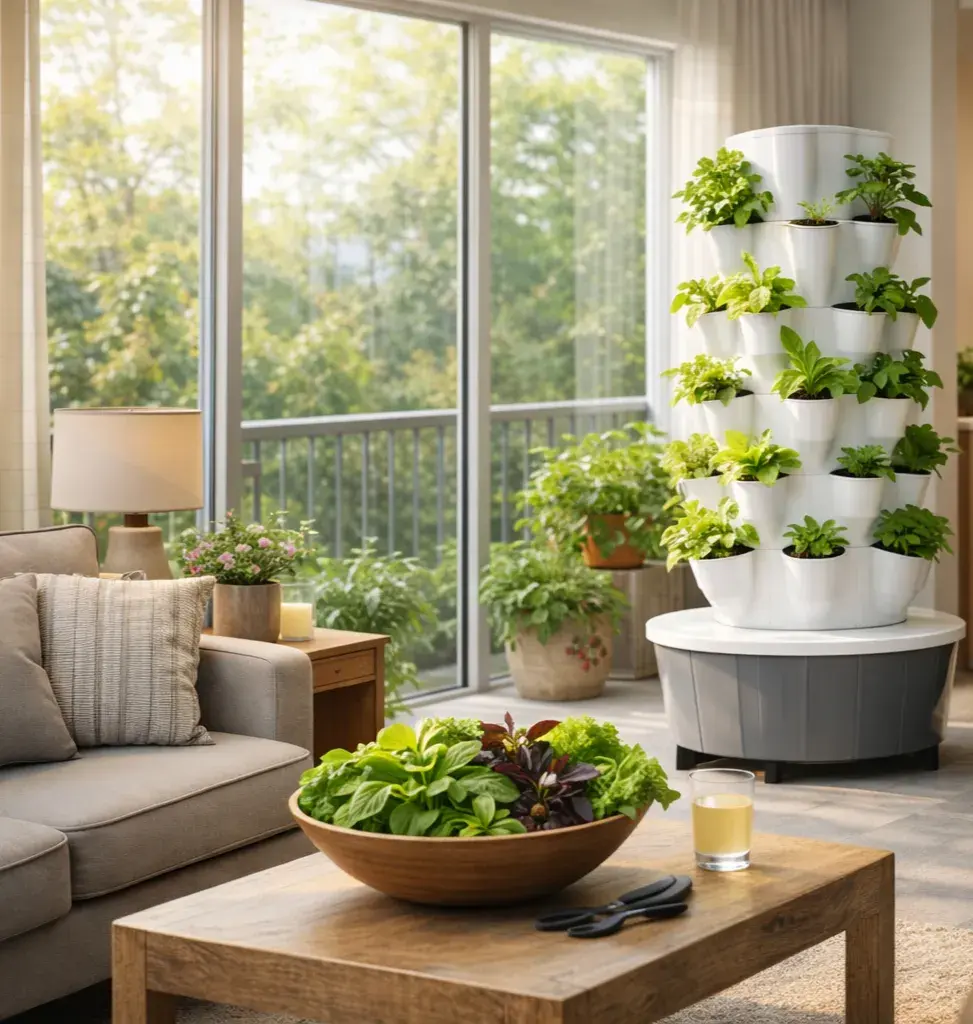
Microgreens are one of the most nutrient-dense foods you can grow at home, and the aeroponic tower is the cleanest and fastest way to grow them without any soil. Whether you live in a Mumbai apartment or a Bangalore flat, a vertical aeroponic tower fits on your balcony, or living room corner and produces harvest-ready greens in as little as 7 to 14 days with no mud, no mess, and no guesswork. The tower circulates a fine nutrient mist directly to the roots, which is why aeroponic microgreens grow faster and taste fresher than anything you'll find at a grocery store. At Phooldaan, we've helped hundreds of Indian households set up their first soilless microgreen growing system and the process is far simpler than most people expect.
Which Microgreens Grow Best in an Aeroponic Tower?
Not every variety suit aeroponic growing equally well but the good news is that the most popular microgreens are also the easiest ones to start with. These are the top performers we've consistently seen thrive in Phooldaan's Nova 20 and Nova 40 towers across Indian homes:

• Sunflower – Thick, crunchy stems with a mild nutty flavor. Germinates well on coco discs and is ready to harvest in 10–12 days.
• Radish – Fast-sprouting and peppery. One of the quickest microgreens to harvest, often ready in just 7–9 days. A favorite for beginners.
• Pea Shoots – Sweet, tender, and highly productive. They take slightly longer, typically 12–14 days, but reward growers with generous harvests.
• Mustard – Spicy and bold in flavor. More heat-tolerant than many microgreens and performs well indoors when protected from excessive summer heat.
• Fenugreek (Methi) – Well suited to Indian growing conditions and familiar to Indian palates. Germinates quickly and fits naturally into everyday cooking.
One note specific to Indian conditions: if you're growing during the peak summer months (April-June) in warmer cities such as Chennai or Hyderabad, choose heat-tolerant varieties like radish and fenugreek for the most reliable results. Pea shoots and sunflower generally perform better during cooler months or in a cool, well-ventilated indoor space.
How to Set Up Your Aeroponic Tower for Microgreen Growing
Setting up is the part most beginners overthink. Here's the honest step-by-step for getting your first batch started on a Phooldaan tower:
• Step 1 - Place your coco discs into each growing pod. Coco disc germination is the preferred method for aeroponic microgreens because coco coir retains just enough moisture during the initial germination phase without becoming waterlogged. Soak your coco discs in plain water for 5 minutes before placing them.

• Step 2 - Spread seeds evenly over each coco disc. You don't need to press them in; just spread them in a light, even layer.
.
• Step 3 - Fill the reservoir with water and add your nutrient solution.
• Step 4 - Switch on the pump. The tower will circulate a fine nutrient mist to the roots automatically. The misting cycles run on a timer; you don't need to babysit it.
• Step 5 - Cover seeds lightly for the first 2–3 days (a simple humidity dome or even a damp cloth works) to encourage germination in darkness.
• Step 6 - Once sprouts emerge and reach 1–2 cm, remove the cover and let them grow toward the light.
That's it. The Nova 20 is compact enough for a kitchen counter and beginner-friendly by design with no complex calibration required to get your first crop going.
What Nutrient Solution Should You Use for Aeroponic Microgreens in India?
Microgreens have a much shorter growth cycle than mature plants and are harvested before developing high nutrient demands. For this reason, a light, balanced nutrient solution is usually sufficient. Most growers find that using a general-purpose hydroponic nutrient at about one-fourth to one-third of the manufacturer's recommended strength works well for many varieties.
Water quality is equally important. In many Indian cities, tap water can range from 200 to 800 ppm TDS, with some groundwater-dependent areas exceeding 1000 ppm. If your water already has a high mineral content, reduce nutrient strength accordingly or start with RO-filtered water (around 50–100 ppm) and add nutrients gradually.
Use nutrients specifically formulated for hydroponic or aeroponic systems. Soil fertilizers may contain particles or compounds that can clog aeroponic pumps and misting nozzles over time.
Do You Need a Grow Light to Grow Microgreens in an Aeroponic Tower Indoors?
It depends on where in your home you plan to keep the tower. The honest answer is natural light works, but it needs to be real light not just bright ambient light from across the room. A south-facing or west-facing window that gets 4–6 hours of direct sunlight is usually sufficient for most microgreens during winter and the cooler months. Radish, mustard, and fenugreek are particularly forgiving with lower light. Sunflower on the other hand, stretch and become leggy if they don't get enough.
If your apartment gets limited natural light a common issue in north-facing flats in Indian metro cities, then a grow light is worth adding. You don't need anything expensive: a basic full-spectrum LED grow light running 12–14 hours a day covers most varieties well. Phooldaan's aeroponic towers with integrated lights are a neat solution if you'd rather keep the whole setup contained in one unit.
The clearest sign you need more light is your microgreens are growing tall and thin (etiolated) instead of compact and vibrant. That's your signal to either move the tower closer to a window or switch on supplemental lighting.
How Many Days Does It Take to Harvest Microgreens in an Aeroponic Tower?
Aeroponic microgreens are some of the fastest crops you can grow and the controlled misting environment actually accelerates germination compared to soil-based growing. Here's a rough harvest timeline based on what we've observed across customer setups in India:

• Radish: 7–9 days
• Mustard: 8–10 days
• Fenugreek: 8–11 days
• Sunflower: 10–12 days
• Pea shoots: 12–14 days
• Wheatgrass: 12–14 days
Harvest when the first true leaves appear that's when flavor and nutrition are at their peak. For most microgreens, this is just before the cotyledon stage gives way to the first proper leaf. Cut just above the coco disc with a clean pair of scissors, rinse, and they're ready to eat.
One batch, one tower, and you're looking at fresh greens on your plate within two weeks of setup. That's the kind of turnaround that makes aeroponic growing so compelling for Indian households that are used to relying on weekly market trips.
Can a Complete Beginner Grow Microgreens in an Aeroponic Tower Without Any Farming Experience?
Yes, and this is probably the most important thing to say clearly. You do not need a farming background, a green thumb, or any prior growing experience to get excellent results from an aeroponic microgreen tower.
Aeroponics removes most of the variables that make traditional gardening difficult. There's no soil quality to worry about, no watering schedule to maintain, no dealing with pests from contaminated growing media. The tower manages moisture delivery automatically — you just seed the pods, top up the nutrient reservoir every few days, and harvest when ready.
Phooldaan's customers include working professionals in Bengaluru who've never grown anything before, families in Lucknow setting up their first kitchen garden, and senior citizens in Coimbatore looking for a low-effort way to have fresh greens at home. The feedback we consistently hear: 'I was worried it would be complicated — it wasn't.'
The Nova 20, Phooldaan's entry-level aeroponic tower, is specifically designed for first-time growers. It's compact (fits on a standard kitchen counter), comes with everything you need to get started, and has a simple reservoir system that requires minimal monitoring. If you can follow a basic recipe, you can grow microgreens on an aeroponic tower.
Frequently Asked Questions (FAQs)
What is the difference between aeroponic and hydroponic microgreens?
In hydroponics, roots sit in or are periodically flooded with a nutrient solution. In aeroponics, roots are suspended in air and receive nutrients through a fine mist. Aeroponic misting delivers more oxygen to the roots, which typically results in faster growth and a more efficient use of nutrients and water.
How much water does an aeroponic tower use for microgreens?
Much less than soil-based growing. Because the system recirculates the nutrient solution, water usage is up to 95% lower than conventional methods. For a small home tower like the Nova 20, you'd typically top up the reservoir every 3–5 days depending on the ambient temperature.
Can I reuse the coco discs after harvesting?
For microgreens, it's best to use fresh coco discs for each batch since the root systems are dense after harvest. Reusing discs can introduce residual organic matter that may cause contamination in the next cycle.
Does an aeroponic tower work in Indian summer heat?
Yes, with some adjustments. In peak summer (April–June), keep your tower in an air-conditioned room or a well-ventilated shaded space. High ambient temperatures can accelerate evaporation from the reservoir and stress heat-sensitive varieties. Stick to heat-tolerant varieties like radish, mustard, and fenugreek during these months.
Where can I buy an aeroponic tower for microgreens in India?
Phooldaan ships aeroponic towers across India. You can explore the full range including the Nova 20, Nova 40, Nova 35, and Nova 120 at phooldaan.com/aeroponics. Towers are available for both home use and small-scale commercial setups.
Do I need to clean the aeroponic tower between batches?
Yes. After each harvest, rinse the reservoir, pump, and misting nozzles with clean water. Every 2–3 cycles, do a deeper clean with a diluted food-safe solution to prevent algae and mineral buildup. In Indian tap water conditions with higher TDS, this is especially important for keeping nozzles clear.
Is the Nova 20 the right tower if I'm just starting out?
The Nova 20 is Phooldaan's most beginner-friendly option, its compact, easy to set up, and designed specifically for home use. If you want to scale up later or grow more variety simultaneously, the Nova 40 or Nova 35 are natural next steps.


Comments