

Buddha Statue Vastu Guide for Home
Where to place it for peace and calm
Best Direction
Is it right? Simple do's and don'ts
Bedroom Placement
Welcome calm right at your doorway?
Home Entrance
Placement and meaning for your home
Laughing Buddha
Not sure where to place a Buddha Statue at home? This Guide covers vastu direction, room wise placement, so your space feels calm, balanced, and peaceful.
Upgrade your home with Phooldaan's Buddha Statues!

Living Rooms
Statement pieces for serene interiors

Bedrooms
Peaceful presence for restful spaces

Home - Offices
Calm that improves focus

Balconies and Corners
Quiet moments in everyday spaces
Buy Buddha Statue Vastu Guide Online from Phooldaan








Why Buddha Statues Belong in Every Space
Create calm, mindful environments with Phooldaan’s curated Buddha Statue collection, designed for homes, offices, meditation corners, and gardens. Each statue is thoughtfully crafted to bring balance, serenity, and timeless aesthetic appeal—making them perfect for modern living spaces seeking peace and positivity.

Meditative Buddha Statues
Ideal for calm corners

Handcrafted Buddha Statues
Crafted with detail

Peaceful Home Decor
Enhance positive energy

Indoor & Outdoor Buddha Statues
Versatile placement

Benefits You'll Experience with Buddha Statues
Calm and Mindfulness
Create peaceful surroundings that encourage relaxation, meditation, and emotional balance in everyday spaces.
Positive Energy
Buddha statues are believed to promote harmony, clarity, and a sense of well-being in homes and workspaces.
Timeless Aesthetic
Thoughtfully crafted designs add elegance and serenity, blending spiritual meaning with modern décor.
Low-Maintenance Decor
No upkeep, no effort—just lasting beauty and calm that enhances your space effortlessly.
Which Buddha Statue Is Good for Home? A Simple Guide
Introduction
A Buddha statue is one of the most popular décor pieces in Indian homes. People choose it for its calm presence, and many also ask what Vastu says about where it should go. This guide covers the main statue types, what each pose means, and the traditional placement tips.
Types of Buddha Statues and Their Meanings
1. Meditation Buddha (Dhyana Mudra)
Seated, hands resting in the lap, palms up. It symbolises calm, focus and mindfulness. It suits a study table, prayer corner or work-from-home desk.
2. Abhaya Mudra Buddha
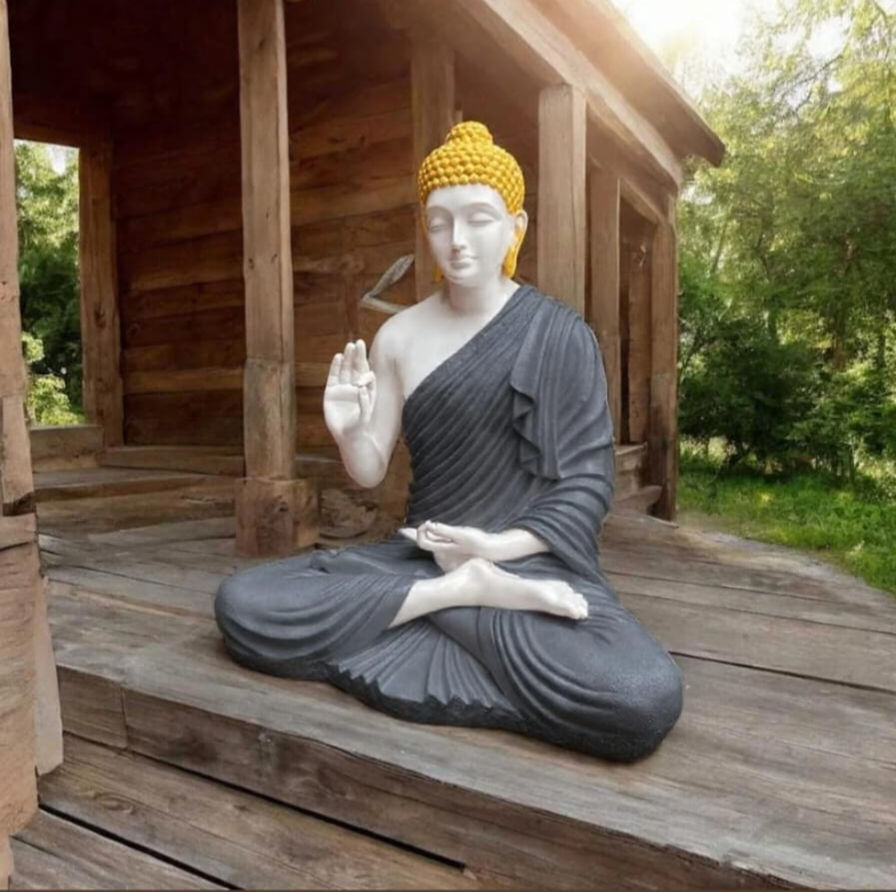
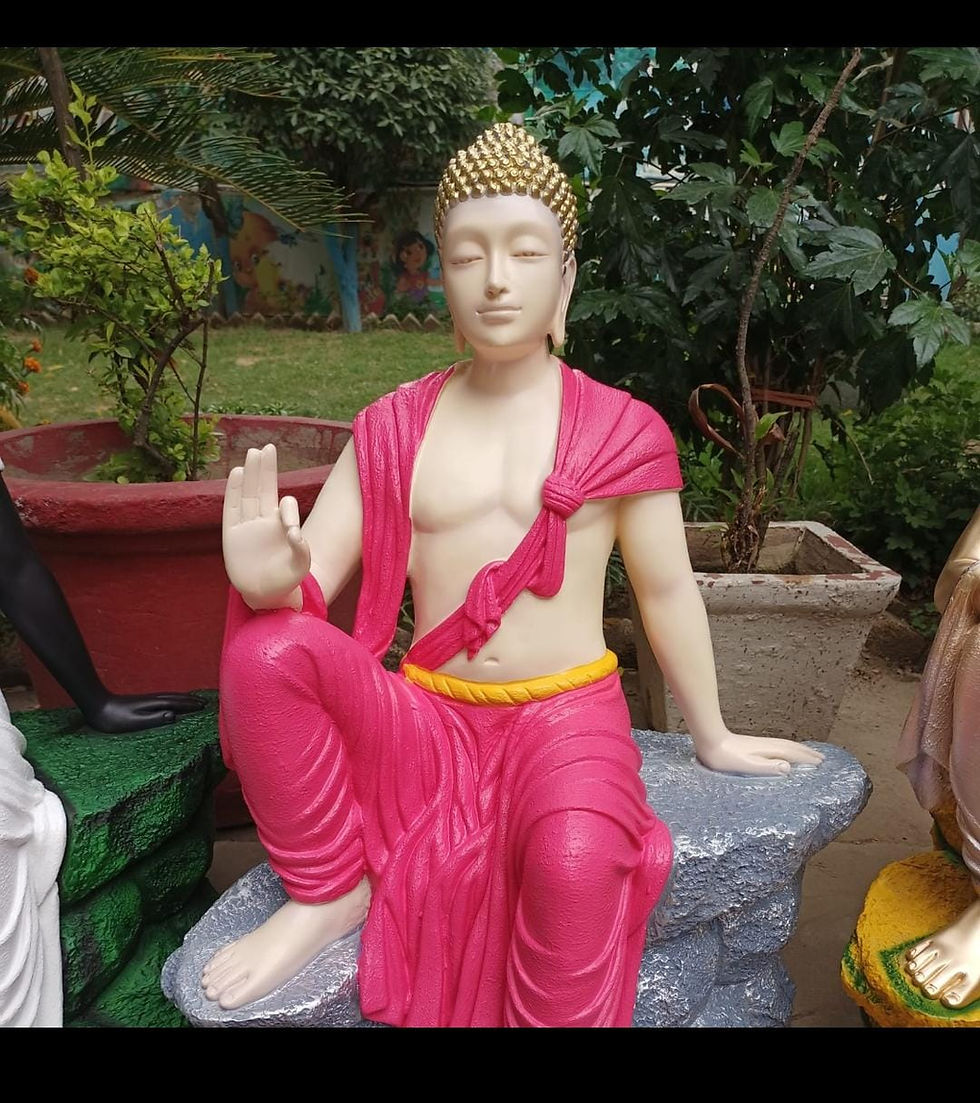
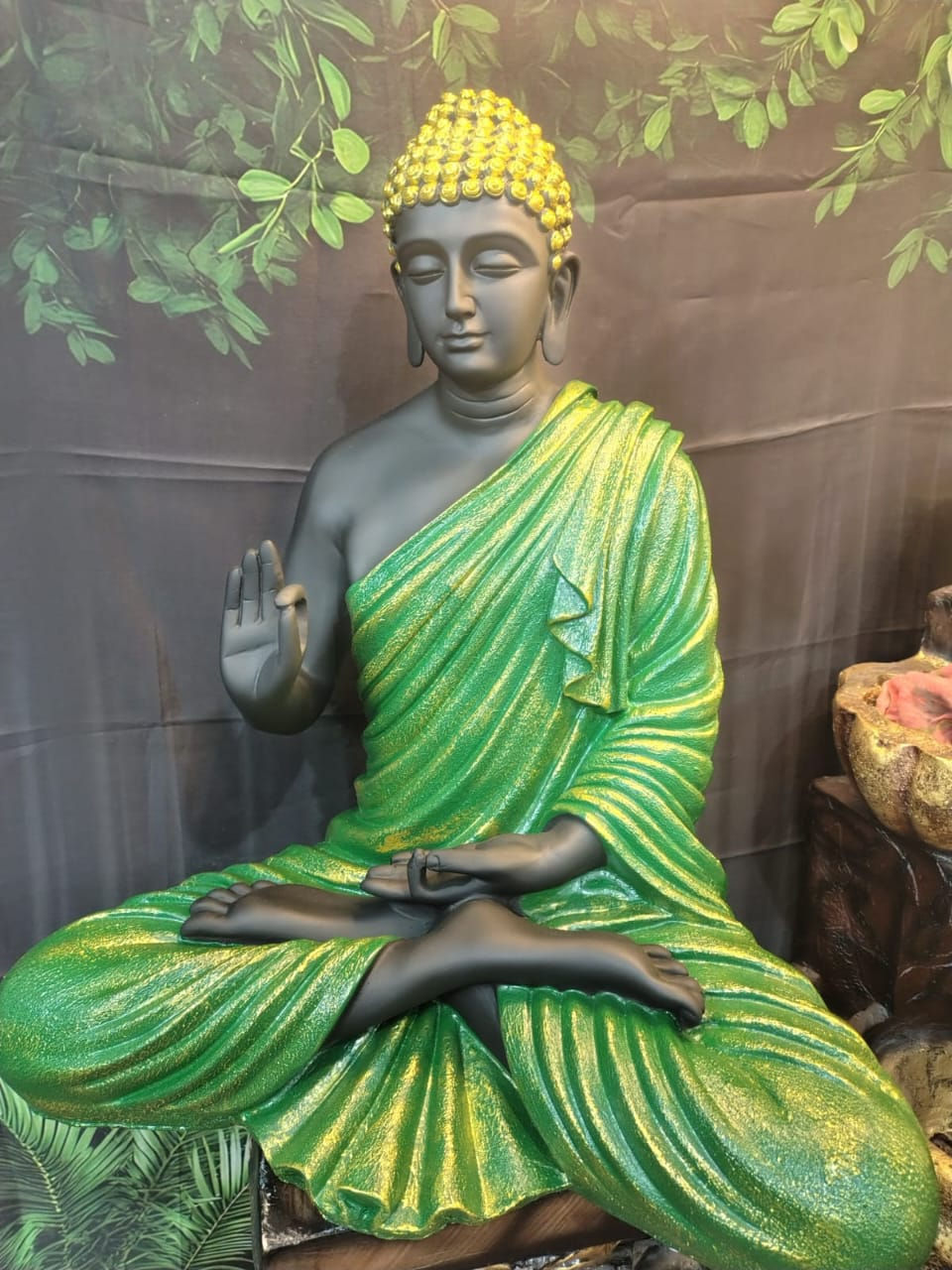
The right hand is raised with the palm facing outward. It symbolises fearlessness and protection. It is a popular choice near the entrance or in the living room.
3. Bhumisparsha Buddha (Earth-Touching)
The right hand touches the ground. It symbolises steadiness and determination. It suits living rooms and gardens.
4. Varada Mudra Buddha
The hand extends downward with the palm open. It symbolises generosity and compassion. It suits a gifting-led purchase.
5. Vitarka and Dharmachakra Buddha
Both are teaching poses with raised hands. They symbolise wisdom and learning. They suit a library, study room or office.
6. Standing Buddha
A standing figure signifies readiness and blessing. It suits a larger hall or entrance area.
7. Reclining Buddha
It represents rest and peace. It suits a bedroom-adjacent lounge or a quiet reading corner.
Can we keep a Buddha statue at home as per Vastu?
Yes, absolutely. Keeping a Buddha statue at home is highly encouraged in Vastu Shastra. While the historical Buddha is a central figure in Buddhism, Vastu honors his image as a potent architectural remedy to balance cosmic energies (Prana), clear environmental stress, and welcome lasting peace, mental clarity, and prosperity.
Because a Buddha figure represents absolute inner stillness, mindfulness, and high spiritual vibration, placing it correctly helps neutralize negative architectural flaws and gives your space a sophisticated, soothing anchor.
-
The Best Direction: The absolute ideal location for a Buddha idol is the Northeast corner (the Ishanya zone) or the East sector of your home. These directions are naturally ruled by the water element and the energy of the rising sun, maximizing mental clarity and deep spiritual harmony.
-
The Main Entryway Shield: If you choose a Protection Buddha (Abhaya Mudra—depicted with his right hand raised palm-outward), position it in your main foyer facing directly toward the entrance. It acts as an energetic filter, blocking external stress, anxiety, and negative intentions before they step inside.
-
The Elevation Rule: Never allow a sacred deity to rest directly on the floor, on a low footstool, or tucked inside a shoe rack. Elevate the statue gracefully on a clean wooden pedestal, side table, or wall mantle so its eyes align near or above eye level when you stand.
-
Avoid Energy Drainage Zones: Steer completely clear of placing any Buddha icon inside bathrooms, kitchens, or laundry rooms where heavy water drainage occurs. Additionally, do not hang or rest the idol against a wall shared with a restroom.
Which direction should Buddha face?
According to the classical layout principles of Vastu Shastra and Feng Shui, a Buddha statue should ideally face East, which is the direction of the rising sun, fresh beginnings, and deep intellectual growth. Placing the deity in the Northeast sector (the Ishanya zone) of your living room, study, or meditation space while ensuring it looks toward the East beautifully aligns your home with the water element, generating mental clarity, enhanced focus, and an uninterrupted flow of positive energy (Sheng Chi). A crucial exception to this rule applies to the Protection Buddha (Abhaya Mudra) or a welcoming Laughing Buddha positioned in a home foyer; in these structural settings, the idol should face directly toward the main entrance door regardless of its compass orientation, allowing it to intercept, filter, and neutralize chaotic external stress before it can step into the rest of the house. To preserve the spiritual value of this centerpiece, always keep the statue elevated on a clean wooden console table or wall shelf near eye level, keeping it far away from floor surfaces, bathrooms, or messy entryway shoe racks. If you are looking to shop an exquisite selection of premium, handcrafted Buddha statues that perfectly marry ancient directional wisdom with luxury interior styling, you can explore the premium collections online at Phooldaan. Choosing an authentic, hand-finished statue from Phooldaan provides your living sanctuary with a sophisticated visual anchor that welcomes lasting harmony, good fortune, and absolute peace of mind.
11 ways to place a Buddha statue in a Vastu home
1. The Entryway Protection Shield
Position a Protection Buddha (Abhaya Mudra—with his right hand raised palm-outward) in your main entrance foyer. Vastu dictates it must face directly toward the front door to intercept, filter, and instantly neutralize chaotic external stress or negative intentions before they step inside.
2. The Northeast Corner Meditation Hub
The Northeast sector (the Ishanya zone) is the most sacred quadrant of a house, ruled by the water element. Place a serene Meditating Buddha (Dhyana Mudra) here facing East to channel absolute mental clarity, spiritual awakening, and deep family harmony.
3. The Front-Facing Foyer Welcome
If you choose a traditional Welcome Buddha holding both hands together in a respectful greeting posture, station it on an elevated mantle right inside the front door. This placement welcomes arriving guests with an immediate aura of warmth, comfort, and positive energy.
4. The Wealth-Attracting Living Room Corner
To manifest continuous financial abundance and good luck, position a Laughing Buddha with Gold Ingots or a sack of wealth in the Southeast corner of your living room. Ensure it faces into the room to symbolically shower prosperity upon your family.
5. The Grounding Home Office Study Table
Place a medium or small-scale Earth Touching Buddha (Bhumisparsha Mudra) on the East corner of your study desk or home office console table. The gesture of reaching down to touch the ground acts as a daily psychological anchor for immovable focus, clearing work anxiety, and ensuring business resilience.
6. The Bedroom Peace Anchor
If your mind tends to race at night, rest a calming Reclining Buddha or a Meditating Buddha on a high side table or shelf in your bedroom. Vastu recommends ensuring the statue faces West while remaining completely away from the direct foot-line of your bed to induce total relaxation.
7. The Living Room Center Lounge Mantle
Elevate a large, stunning marble or brass seated Buddha as the focal design accent on a central living room media console or fireplace mantle. Stationed near eye level, it radiates a constant, soothing frequency that keeps family discussions peaceful and harmonious.
8. The North Corner Career Enhancer
Place a Buddha statue crafted from metal (such as polished brass or bronze) in the North sector of your home or living room area. This strategic placement aligns perfectly with the planetary energies that govern career growth, new professional opportunities, and active mentorship.
9. The Indoor Garden Courtyard Sanctuary
If your architectural layout features an indoor courtyard or a sunlit patio, place a durable natural stone Bhumisparsha Buddha amidst green foliage and potted plants. This creates a beautiful, Zen-inspired restorative sanctuary that grounds heavy household tension.
10. The East-Facing Yoga & Wellness Alcove
Station a serene Buddha idol facing directly East in the specific area where you practice morning yoga, stretching, or daily mindfulness. The direction of the rising sun works in perfect tandem with the statue to boost vitality, fresh inspiration, and physical well-being.
11. The High-Level Wall Console Elevation
No matter which room you choose, always implement the absolute Vastu rule of elevated height. Ensure the deity rests gracefully on a secure wall shelf, bracket, or sturdy table that sets the statue’s eyes near or above your eye level when standing, keeping it entirely off the floor.
Note : Steer completely clear of placing any spiritual figure inside bathrooms, kitchens, storage closets, or laundry zones dominated by heavy drainage, and avoid resting the idol directly against a shared restroom partition wall.
Buddha Statue Vastu Tips for Home
Best direction and placement
-
North-East: the most commonly recommended corner for a Buddha statue or prayer space.
-
East or North: also considered suitable.
-
Facing: the statue should face the main entrance or the east.
-
Height: place it on a clean table or shelf, ideally at eye level or above. Never keep it on the floor.
Good rooms
-
Living room: welcoming and visible
-
Study room or work desk: supports focus
-
Prayer or meditation corner: the most traditional choice
-
Entrance hall: suits an Abhaya or standing Buddha
Where to avoid
-
Bathrooms and toilets, or any wall shared with one
-
Kitchens
-
Bedrooms (especially facing the bed)
-
Under staircases, in storerooms, or near shoes
-
Garages and cluttered corners