

Teaching Buddha Meaning
Handcrafted
Thoughtfully crafted with fine detailing
Serene Design
Designed to evoke calm and positive energy
Durable Finish
Made using high-quality materials
Versatile Decor
Perfect for Every Space
Our Buddha Statues blend timeless artistry with spiritual elegance, helping you create tranquil spaces that inspire mindfulness, peace, and harmony.
Upgrade your home with Phooldaan's Buddha Statues!
Buy Teaching Buddha Statues Online from Phooldaan


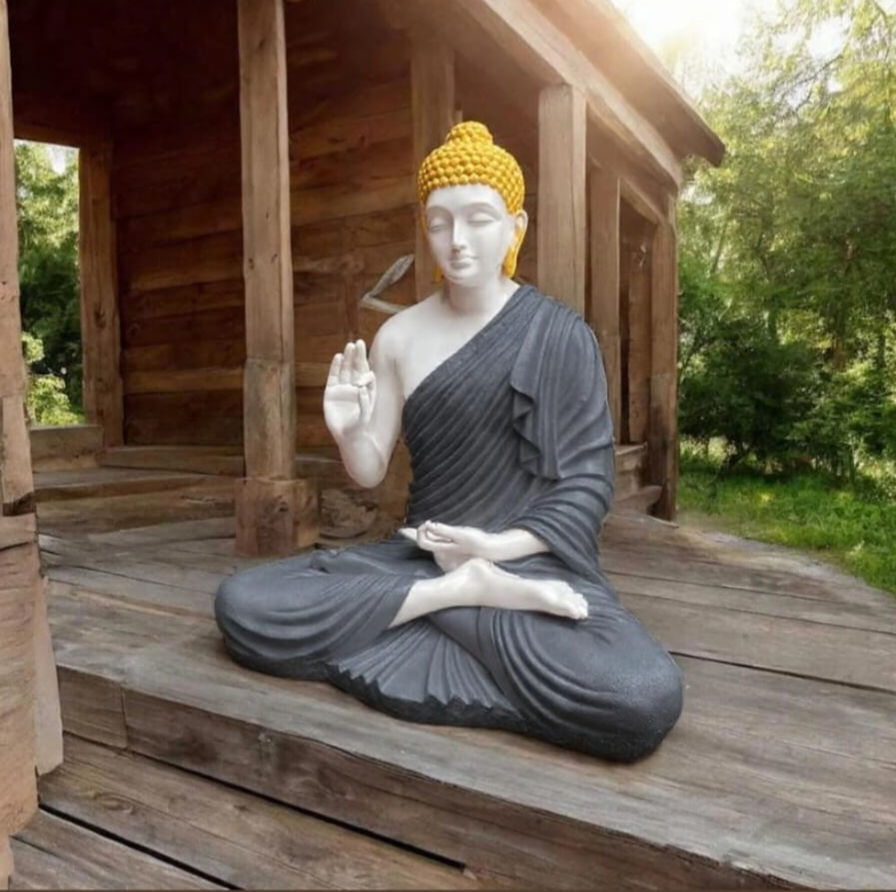


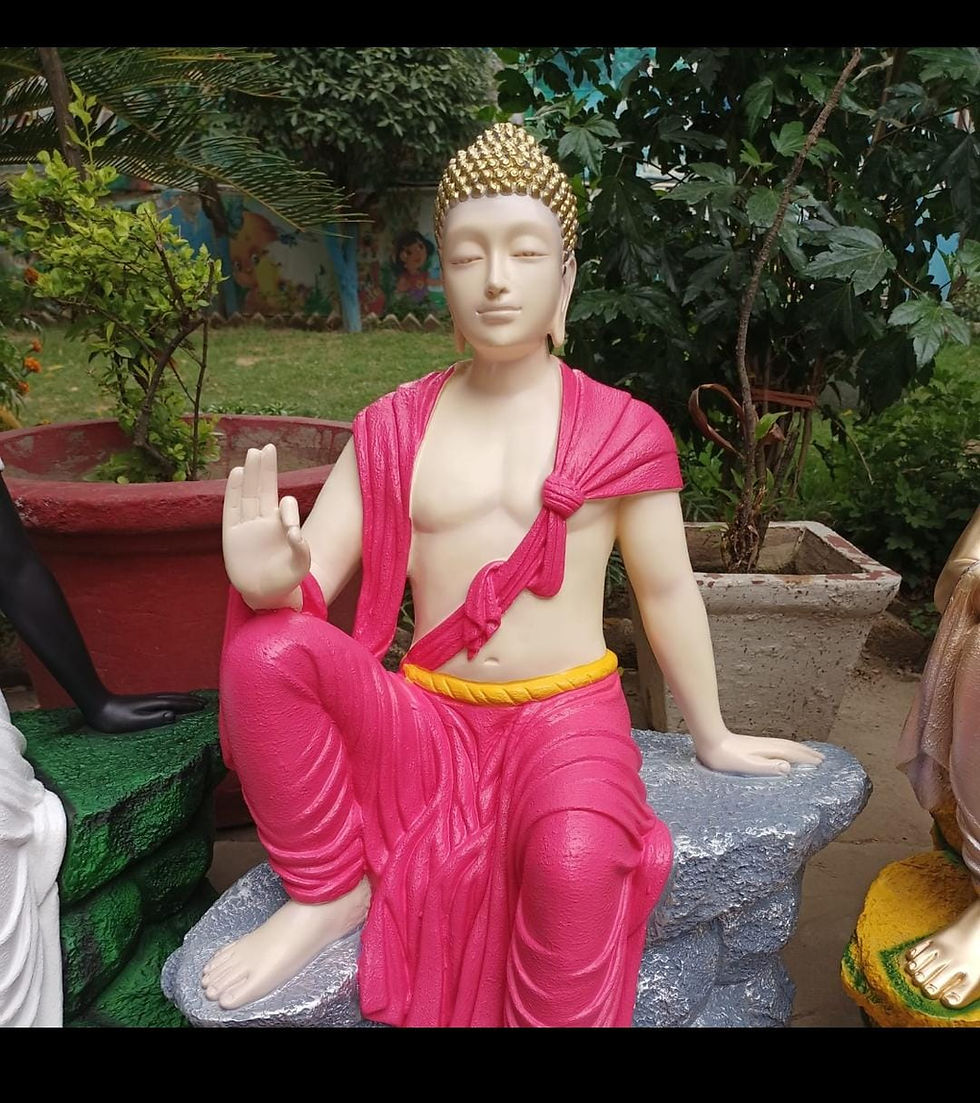


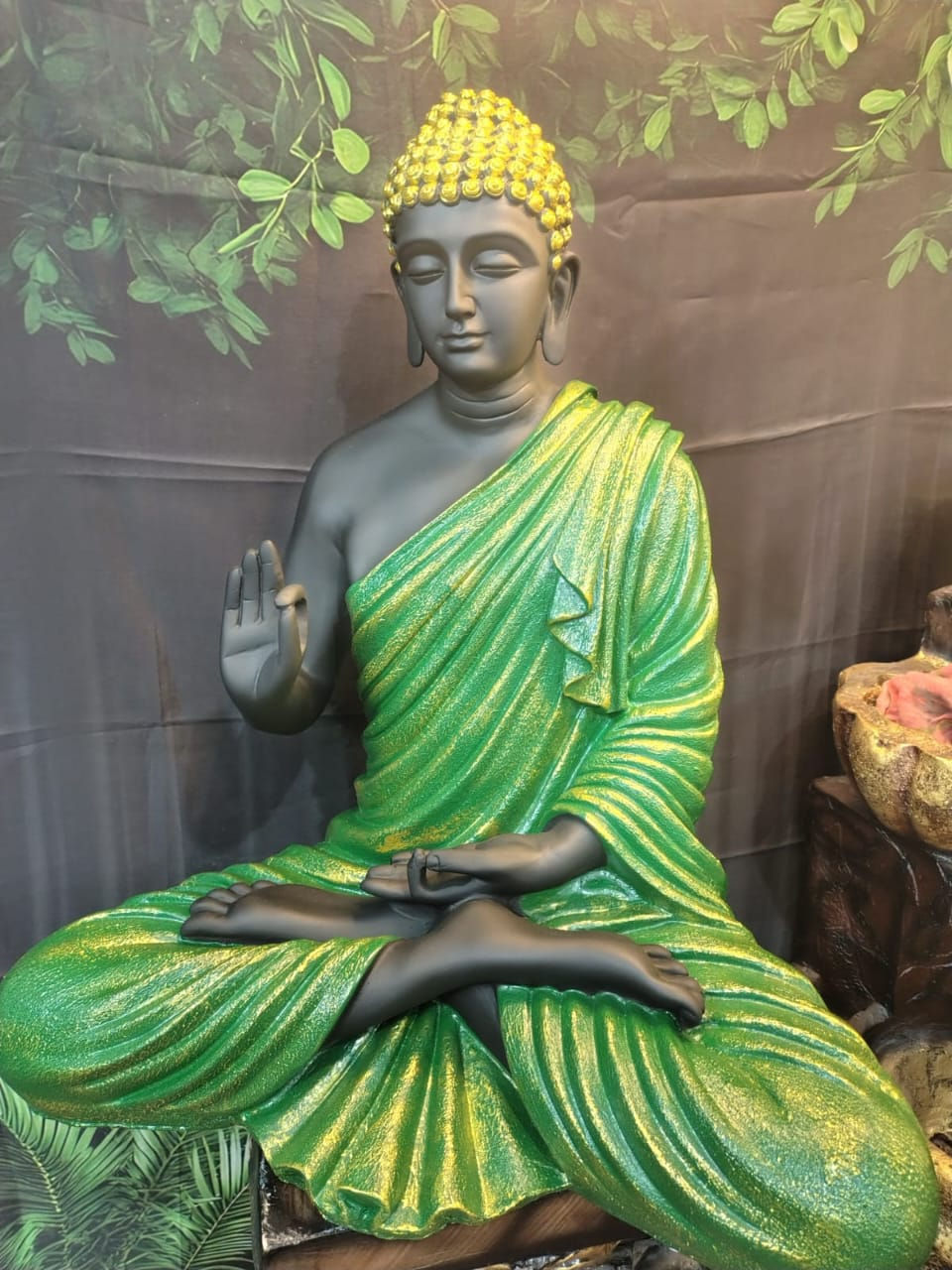


Buddha Statues for Every Space
Modern living spaces are often filled with noise, visual clutter, and constant movement. Buddha statues help restore balance by introducing stillness, mindfulness, and a sense of calm into everyday environments. Each space has a different purpose, which is why Phooldaan offers Buddha statues in a variety of styles, sizes, and finishes—making it easy to find the right piece for your home, workspace, or outdoor area.

Living Rooms
Statement pieces for serene interiors

Bedrooms
Peaceful presence for restful spaces

Home - Offices
Calm that improves focus

Balconies and Corners
Quiet moments in everyday spaces
Buddha Statues that Bring Calm
Transform your space with Buddha statues designed to create peace, mindfulness, and visual harmony. Whether placed in living rooms, meditation corners, workspaces, balconies, or gardens, our Buddha statues help cultivate a sense of stillness and positive energy in everyday life.
Thoughtfully crafted for modern homes, each statue blends spiritual symbolism with refined aesthetics. From serene meditative poses to elegant handcrafted finishes, these pieces are more than decor—they’re gentle reminders to slow down, breathe, and reconnect. Ideal for both first-time buyers and seasoned collectors, our Buddha statues elevate interiors with meaning and grace.

Why Buddha Statues Belong in Every Space
Create calm, mindful environments with Phooldaan’s curated Buddha Statue collection, designed for homes, offices, meditation corners, and gardens. Each statue is thoughtfully crafted to bring balance, serenity, and timeless aesthetic appeal—making them perfect for modern living spaces seeking peace and positivity.
Meditative Buddha Statues
Ideal for calm corners

Handcrafted Buddha Statues
Crafted with detail

Peaceful Home Decor
Enhance positive energy

Indoor & Outdoor Buddha Statues
Versatile placement

Benefits You'll Experience with Buddha Statues
Calm and Mindfulness
Create peaceful surroundings that encourage relaxation, meditation, and emotional balance in everyday spaces.
Positive Energy
Buddha statues are believed to promote harmony, clarity, and a sense of well-being in homes and workspaces.
Timeless Aesthetic
Thoughtfully crafted designs add elegance and serenity, blending spiritual meaning with modern décor.
Low-Maintenance Decor
No upkeep, no effort—just lasting beauty and calm that enhances your space effortlessly.
Teaching Buddha Meaning
Introduction
The Teaching Buddha statue represents wisdom, intellectual growth, and the continuous flow of cosmic knowledge. It is defined by the Dharmachakra Mudra, a Sanskrit phrase that translates directly to "Setting the Wheel of Dharma in Motion".
Dharmachakra Mudra
-
Both hands are held near the chest.
-
The thumb and index finger of the right hand touch at the tips to form a circle facing outward, representing the wheel of cosmic law, while the left hand faces inward with its thumb and index finger forming a second circle.
-
The fingers of the left hand touch the right hand's circle, symbolizing a continuous, unbroken flow of energy and wisdom.
-
This posture commemorates the historical First Sermon at Sarnath (the Deer Park near Varanasi, India), where Siddhartha Gautama shared his enlightened realizations with his first five disciples.
Beyond its historical and deep spiritual context, the Teaching Buddha serves as a powerful symbol of focus, mental development, and academic success for modern homes. It is an exceptional selection for individuals who are pursuing higher education, working in research, or looking to sharpen their analytical skills. According to traditional Vastu and design layout principles, the ideal placement for a Teaching Buddha idol is on a clean, elevated desk, shelf, or console table within a study room, home office, or library. Positioning the statue in the Northeast or East sector of your room maximizes its inspiring energy, creating an atmosphere that promotes constant learning, creative ideas, and absolute clarity of thought If you are looking to cultivate an atmosphere of learning and intellectual growth, you can buy this authentic, premium handcrafted Teaching Buddha idol online from Phooldaan to elevate your study room, library, or home office.
What is a 4 teaching of Buddha?
A core teaching of the Buddha is the Middle Way, a philosophy of balance that advises avoiding the two extremes of indulgent pleasure and harsh self-denial to find true peace of mind. This foundational concept is anchored by the Four Noble Truths, which offer a profound psychological framework designed to help individuals clear their minds, live compassionately, and achieve lasting liberation known as Nirvana. Rather than demanding blind faith, these teachings serve as a practical guide to daily living that emphasizes ethical conduct, wisdom, and mental discipline through mindfulness.
-
(Dukkha): Dissatisfaction, pain, and impermanence are inescapable parts of the human experience. Dukkha covers physical pain, but it primarily refers to the deep mental unease we feel when life shifts or fails to meet our strict expectations.
-
(Samudaya): The root cause of this dissatisfaction is craving (tanha), attachment, and ignorance. Suffering arises because humans constantly cling to temporary things and actively resist the reality of change.
-
(Nirodha): This provides the hopeful diagnosis that suffering can be entirely overcome. By letting go of attachments, eliminating toxic cravings, and clearing the mind of delusions, you can achieve a state of complete peace and mental freedom.
-
(Magga): This is the practical action plan to achieve liberation through the Eightfold Path. It acts as a balanced guide divided into three main pillars: cultivating wisdom, practicing ethical conduct, and developing sharp mental discipline (right effort, mindfulness, and concentration).
What are the five teachings of Buddha?
The foundational teachings of the Buddha center on the Four Noble Truths and the Eightfold Path, which outline the root causes of suffering and the definitive way to overcome it. For everyday moral living, followers observe the Five Precepts (Pancha Shila). These are the core ethical guidelines and moral commitments taught by the Buddha to avoid creating suffering for oneself and others, fostering a life of integrity, mindfulness, and deep spiritual progress.
-
To abstain from taking life: This is the practice of absolute non-violence and deep respect for all living beings. It means consciously refraining from killing or harming humans, animals, or insects, allowing compassion to guide your actions.
-
To abstain from taking what is not given: A firm commitment to total honesty and respect for others' property. This guideline directs individuals to completely refrain from theft, fraud, or any form of economic exploitation.
-
To abstain from sexual misconduct: This principle emphasizes respect, trust, and fidelity in personal relationships. It guides individuals to avoid harmful, dishonest, or exploitative behavior, practicing emotional responsibility and commitment instead.
-
To abstain from false speech: This focuses on truthful, gentle, and harmonious communication. It requires individuals to avoid lying, harsh language, malicious gossip, and divisive speech that could fracture relationships.
-
To abstain from intoxicants: This advises avoiding substances like alcohol or drugs that cloud the mind and lead to carelessness. Maintaining absolute mental clarity and mindfulness is essential for making smart decisions and achieving spiritual growth.
Creating a physical environment that mirrors these ethical commitments is a wonderful way to reinforce your daily practice. To anchor these principles of non-violence, truth, and mental clarity in your living space, you can shop a premium collection of handcrafted Buddha idols online at Phooldaan. Placing a mindfully sculpted Buddha deity in your home office, living room, or meditation alcove serves as a constant visual anchor, inspiring the whole family to live harmoniously and walk the path of conscious, moral living.
What are the 8 teachings of Buddha?
The eight core teachings of the Buddha refer directly to the Noble Eightfold Path (Ashtanga Marga). This foundational framework serves as a practical, comprehensive roadmap designed for ending mental suffering, living ethically, and achieving true spiritual liberation (Nirvana). Rather than focusing on abstract theories, this path provides actionable guidelines for everyday life, neatly categorized into three essential pillars of personal transformation: Wisdom, Ethical Conduct, and Mental Discipline.
Wisdom (Panna)
-
Right Understanding: Developing a crystal-clear view of reality by deeply understanding the Four Noble Truths and recognizing that all things in life are temporary and interconnected.
-
Right Intention: Committing to self-improvement and mental purity. This involves consciously letting go of greed, anger, and malice, while choosing the paths of compassion and non-violence.
Ethical Conduct (Sila)
-
Right Speech: Using words that are consistently truthful, helpful, and kind, while completely refraining from lying, gossiping, harsh words, or divisive talk.
-
Right Action: Behaving in a moral, respectful, and dignified way by refraining from harming living beings, stealing, and engaging in relationship misconduct.
-
Right Livelihood: Earning your living through an honorable profession that does not exploit, deceive, or cause physical or emotional harm to other living beings.
Mental Discipline (Samadhi)
-
Right Effort: Actively training your mind to prevent negative, unwholesome thoughts from taking root, while purposefully nurturing positive, constructive mental habits.
-
Right Mindfulness: Maintaining a clear, continuous, and non-judgmental awareness of your body, feelings, thoughts, and surrounding reality in the present moment.
-
Right Concentration: Developing a deep, steady mental focus through regular meditation to quiet daily mental chatter and build profound inner stillness.
The primary written sources documenting the original teachings of the historical Buddha are compiled in the Pali Canon (also known as the Tripitaka), which represents the oldest surviving unified record of his discourses. Because the Buddha's profound insights were transmitted orally for several centuries before being committed to writing, modern readers seeking his foundational words generally turn to compiled anthologies and specialized scholarly translations. To build a robust understanding of early Buddhist psychological and philosophical frameworks, three globally celebrated texts serve as the definitive entry points:
-
In the Buddha's Words (Translated by Bhikkhu Bodhi): An essential anthology of discourses from the Pāli Canon that systematically organizes the Buddha's original dialogues on liberation, the Four Noble Truths, and the Noble Eightfold Path.
-
What the Buddha Taught (By Walpola Rahula): A globally celebrated classic that offers an accessible, textually precise introduction drawing directly from the original material to explain core Buddhist philosophies.
-
The Dhammapada: Acting as the essential handbook of early Buddhist thought, this text focuses purely on mental culture, self-mastery, and moral discipline through literal poetic aphorisms attributed directly to the Buddha.
Studying these authentic written sources is a powerful way to bring clarity, wisdom, and emotional balance into your daily life. To complement your journey into the Buddha's words and create a dedicated space for deep reflection, you can explore the premium collection of handcrafted spiritual decor online at Phooldaan. Pairing these timeless literary texts with a mindfully sculpted Teaching or Meditating Buddha idol from Phooldaan allows you to transform your study room, library, or home office into a sophisticated, peaceful sanctuary dedicated to intellectual and spiritual growth.
Buddha teachings on life
The Buddha's core teachings on life focus on understanding the true nature of human existence to overcome daily anxiety, fear, and dissatisfaction. Rather than demanding adherence to abstract dogmas, his philosophy offers a practical framework for mastering one's own mind, letting go of intense cravings or attachments (Tanha), and practicing the Middle Way—a life of conscious balance that avoids the exhaustion of both extreme self-indulgence and extreme self-denial. Ultimately, his teachings frame life as an interconnected web governed by Karma (the law of cause and effect), making the daily cultivation of compassion (Karuna) and loving-kindness (Metta) the highest, most rewarding way to live.
-
Anicca (Impermanence): Pronounced uh-NEE-chuh, this is the universal law of constant change. It asserts that everything in the physical and mental world is in a permanent state of flux—continually arising, shifting, and passing away. Nothing remains static, whether it is a physical object, a human relationship, or a passing emotion. Mental suffering occurs when the human mind resists this natural law by attempting to tightly cling to temporary conditions, mistakenly expecting them to last forever.
-
Sati (Mindfulness): Pronounced suh-TEE, this is the practice of bare, non-judgmental awareness. It is the mental quality of staying fully anchored in the present moment, observing internal and external realities exactly as they are without instant reaction or negative mental commentary. Sati acts as an internal mirror, allowing you to clearly observe the movements of your own thoughts and emotions in real time rather than getting swept away by regrets about the past or anxieties about the future.
Frequently Asked Questions (FAQ)
1. What are the main teachings of Buddha?
The main teachings of Buddha include the Four Noble Truths, the Noble Eightfold Path, compassion, mindfulness, wisdom, and the practice of living a balanced life.
2. What is the most important teaching of Buddha?
Many Buddhists consider the Four Noble Truths to be the foundation of Buddha's teachings because they explain the nature of suffering and the path to overcoming it.
3. What is the Noble Eightfold Path?
The Noble Eightfold Path is a guide to ethical living, mental discipline, and wisdom. It includes right understanding, speech, action, livelihood, mindfulness, and concentration.
4. Why did Buddha teach mindfulness?
Buddha taught mindfulness to help people become aware of their thoughts, emotions, and actions, leading to greater clarity, peace, and self-understanding.
5. What does Buddha teach about happiness?
Buddha taught that lasting happiness comes from inner peace, wisdom, and freedom from excessive attachment rather than from material possessions alone.
6. How can Buddha's teachings be applied in daily life?
People can apply Buddha's teachings by practicing kindness, speaking truthfully, being mindful, showing compassion, and maintaining balance in everyday decisions.
7. What is the meaning of the Middle Path in Buddhism?
The Middle Path encourages avoiding extremes, whether of indulgence or self-denial, and instead following a balanced and mindful way of life.
8. Do I need to be Buddhist to follow Buddha's teachings?
No. Many people from different backgrounds appreciate Buddha's teachings on mindfulness, compassion, and personal growth without identifying as Buddhists.
9. How does a Buddha statue represent Buddha's teachings?
A Buddha statue serves as a reminder of qualities such as wisdom, peace, compassion, mindfulness, and spiritual growth that are central to Buddha's teachings.
10. Which Buddha statue is best for meditation and mindfulness?
A Meditating Buddha statue is often chosen for meditation spaces because it symbolizes inner peace, concentration, and the pursuit of enlightenment.