

Buddha Statue Vastu Guide
Handcrafted
Thoughtfully crafted with fine detailing
Serene Design
Designed to evoke calm and positive energy
Durable Finish
Made using high-quality materials
Versatile Decor
Perfect for Every Space
Our Buddha Statues blend timeless artistry with spiritual elegance, helping you create tranquil spaces that inspire mindfulness, peace, and harmony.
Upgrade your home with Phooldaan's Buddha Statues!

Living Rooms
Statement pieces for serene interiors

Bedrooms
Peaceful presence for restful spaces

Home - Offices
Calm that improves focus

Balconies and Corners
Quiet moments in everyday spaces
Buy Buddha Statue Vastu Guide Online from Phooldaan


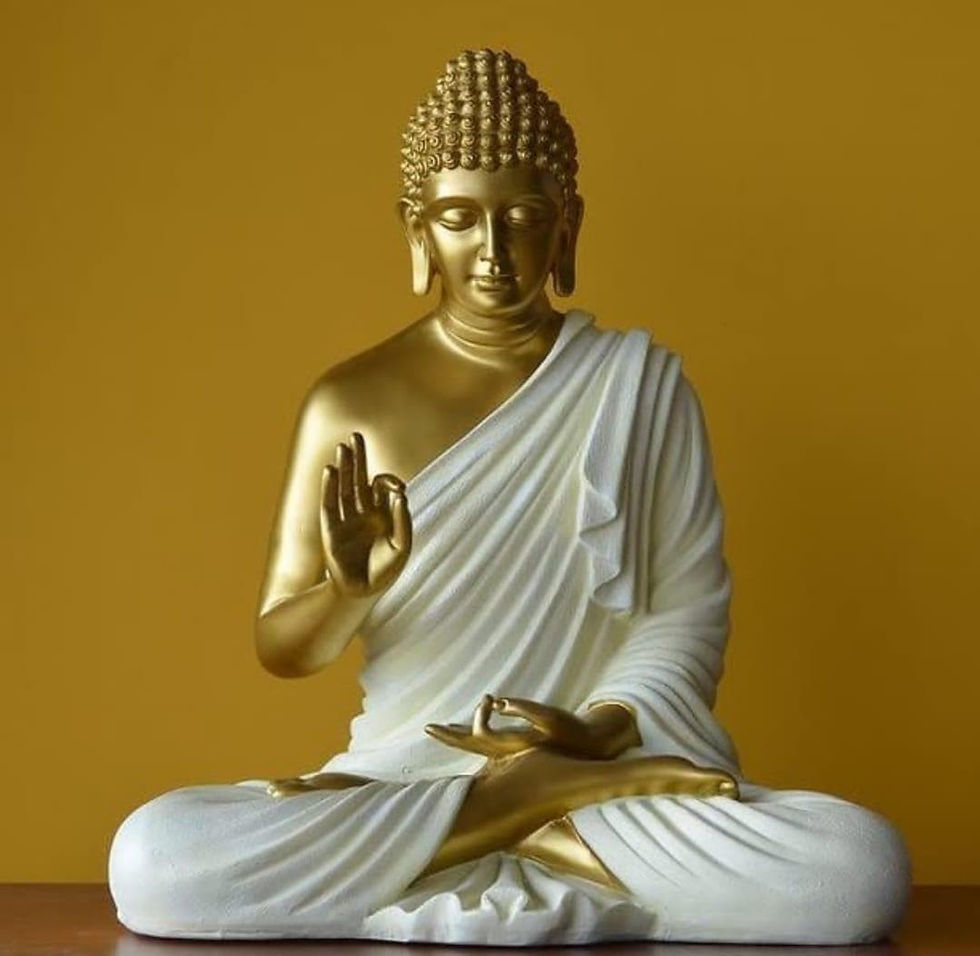


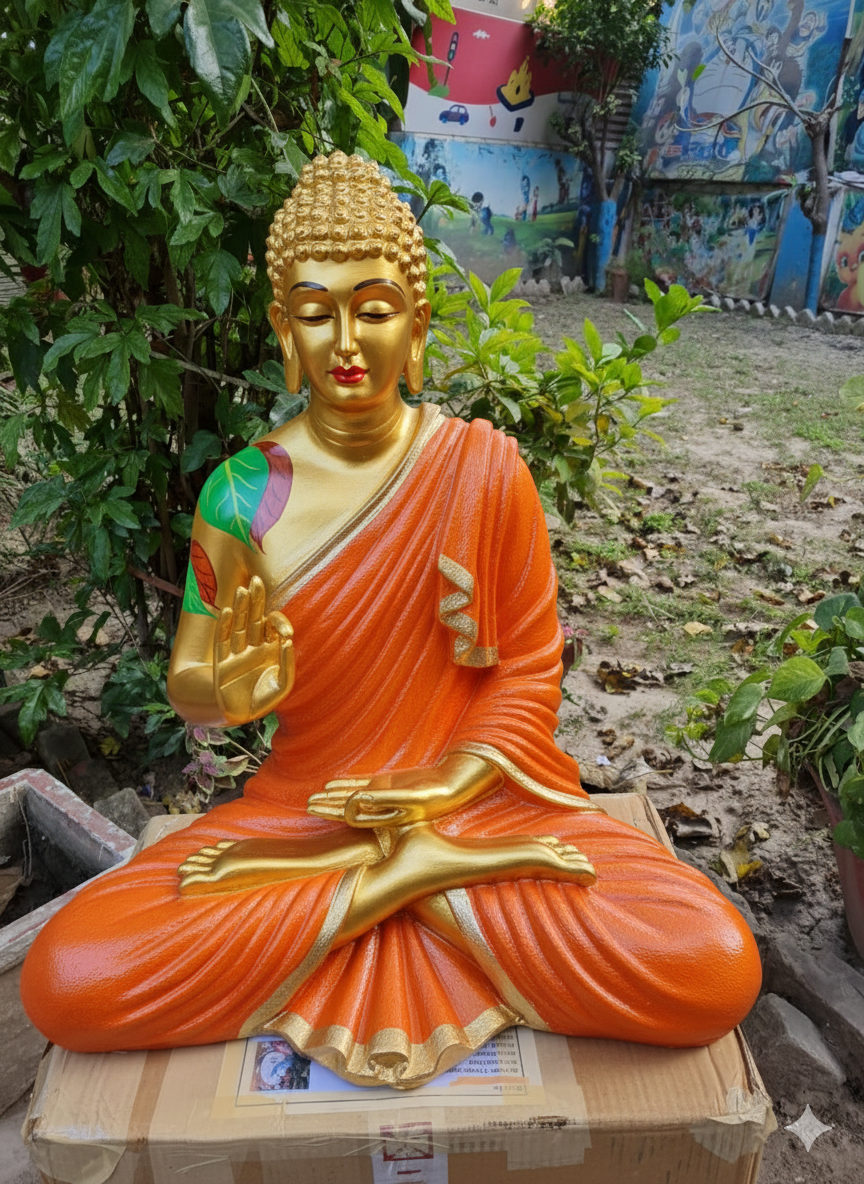


Why Buddha Statues Belong in Every Space
Create calm, mindful environments with Phooldaan’s curated Buddha Statue collection, designed for homes, offices, meditation corners, and gardens. Each statue is thoughtfully crafted to bring balance, serenity, and timeless aesthetic appeal—making them perfect for modern living spaces seeking peace and positivity.

Meditative Buddha Statues
Ideal for calm corners

Handcrafted Buddha Statues
Crafted with detail

Peaceful Home Decor
Enhance positive energy

Indoor & Outdoor Buddha Statues
Versatile placement

Benefits You'll Experience with Buddha Statues
Calm and Mindfulness
Create peaceful surroundings that encourage relaxation, meditation, and emotional balance in everyday spaces.
Positive Energy
Buddha statues are believed to promote harmony, clarity, and a sense of well-being in homes and workspaces.
Timeless Aesthetic
Thoughtfully crafted designs add elegance and serenity, blending spiritual meaning with modern décor.
Low-Maintenance Decor
No upkeep, no effort—just lasting beauty and calm that enhances your space effortlessly.
Buddha Statue Vastu Guide
Introduction
Integrating a Buddha statue into your home architectural layout requires strict adherence to ancient Vastu Shastra principles to successfully welcome positive cosmic energy (Prana) and establish an atmosphere of enduring serenity. Vastu guidelines heavily emphasize that a spiritual idol must always be placed in the Northeast corner (known as the Ishanya zone) or the East sector of a property, as these directions are ruled by water and the rising sun, actively channeling mental clarity, deep focus, and healing. Furthermore, the type of mudra selected dictates the energy shift in specific rooms: a Protection Buddha (Abhaya Mudra) with an outward-facing palm is the ultimate Vastu recommendation for a main home entryway or foyer to act as a shield against incoming negativity, whereas a tranquil Meditating Buddha (Dhyana Mudra) is ideal for a quiet study console, home library, or private bedroom sanctuary to ground racing thoughts and induce absolute relaxation. According to Vastu layout parameters, a Buddha statue must never sit directly on the floor, on a low footstool, or next to a messy shoe rack; instead, it should rest majestically on a clean, elevated wooden pedestal, console table, or mantel shelf that raises the idol’s eyes near or above your eye level when standing. Additionally, steer completely clear of placing any deity figure inside bathrooms, kitchens, or laundry zones dominated by heavy drainage, and avoid hanging them on a shared partition wall with a restroom. To purchase an authentic, masterfully handcrafted spiritual centerpiece that effortlessly balances ancient Vastu wisdom with high-end luxury aesthetics, you can explore the premium collections online at Phooldaan.
Can we keep a Buddha statue at home as per Vastu?
Yes, absolutely. Keeping a Buddha statue at home is highly encouraged in Vastu Shastra. While the historical Buddha is a central figure in Buddhism, Vastu honors his image as a potent architectural remedy to balance cosmic energies (Prana), clear environmental stress, and welcome lasting peace, mental clarity, and prosperity.
Because a Buddha figure represents absolute inner stillness, mindfulness, and high spiritual vibration, placing it correctly helps neutralize negative architectural flaws and gives your space a sophisticated, soothing anchor.
-
The Best Direction: The absolute ideal location for a Buddha idol is the Northeast corner (the Ishanya zone) or the East sector of your home. These directions are naturally ruled by the water element and the energy of the rising sun, maximizing mental clarity and deep spiritual harmony.
-
The Main Entryway Shield: If you choose a Protection Buddha (Abhaya Mudra—depicted with his right hand raised palm-outward), position it in your main foyer facing directly toward the entrance. It acts as an energetic filter, blocking external stress, anxiety, and negative intentions before they step inside.
-
The Elevation Rule: Never allow a sacred deity to rest directly on the floor, on a low footstool, or tucked inside a shoe rack. Elevate the statue gracefully on a clean wooden pedestal, side table, or wall mantle so its eyes align near or above eye level when you stand.
-
Avoid Energy Drainage Zones: Steer completely clear of placing any Buddha icon inside bathrooms, kitchens, or laundry rooms where heavy water drainage occurs. Additionally, do not hang or rest the idol against a wall shared with a restroom.
Which direction should Buddha face?
According to the classical layout principles of Vastu Shastra and Feng Shui, a Buddha statue should ideally face East, which is the direction of the rising sun, fresh beginnings, and deep intellectual growth. Placing the deity in the Northeast sector (the Ishanya zone) of your living room, study, or meditation space while ensuring it looks toward the East beautifully aligns your home with the water element, generating mental clarity, enhanced focus, and an uninterrupted flow of positive energy (Sheng Chi). A crucial exception to this rule applies to the Protection Buddha (Abhaya Mudra) or a welcoming Laughing Buddha positioned in a home foyer; in these structural settings, the idol should face directly toward the main entrance door regardless of its compass orientation, allowing it to intercept, filter, and neutralize chaotic external stress before it can step into the rest of the house. To preserve the spiritual value of this centerpiece, always keep the statue elevated on a clean wooden console table or wall shelf near eye level, keeping it far away from floor surfaces, bathrooms, or messy entryway shoe racks. If you are looking to shop an exquisite selection of premium, handcrafted Buddha statues that perfectly marry ancient directional wisdom with luxury interior styling, you can explore the premium collections online at Phooldaan. Choosing an authentic, hand-finished statue from Phooldaan provides your living sanctuary with a sophisticated visual anchor that welcomes lasting harmony, good fortune, and absolute peace of mind.
11 ways to place a Buddha statue in a Vastu home
1. The Entryway Protection Shield
Position a Protection Buddha (Abhaya Mudra—with his right hand raised palm-outward) in your main entrance foyer. Vastu dictates it must face directly toward the front door to intercept, filter, and instantly neutralize chaotic external stress or negative intentions before they step inside.
2. The Northeast Corner Meditation Hub
The Northeast sector (the Ishanya zone) is the most sacred quadrant of a house, ruled by the water element. Place a serene Meditating Buddha (Dhyana Mudra) here facing East to channel absolute mental clarity, spiritual awakening, and deep family harmony.
3. The Front-Facing Foyer Welcome
If you choose a traditional Welcome Buddha holding both hands together in a respectful greeting posture, station it on an elevated mantle right inside the front door. This placement welcomes arriving guests with an immediate aura of warmth, comfort, and positive energy.
4. The Wealth-Attracting Living Room Corner
To manifest continuous financial abundance and good luck, position a Laughing Buddha with Gold Ingots or a sack of wealth in the Southeast corner of your living room. Ensure it faces into the room to symbolically shower prosperity upon your family.
5. The Grounding Home Office Study Table
Place a medium or small-scale Earth Touching Buddha (Bhumisparsha Mudra) on the East corner of your study desk or home office console table. The gesture of reaching down to touch the ground acts as a daily psychological anchor for immovable focus, clearing work anxiety, and ensuring business resilience.
6. The Bedroom Peace Anchor
If your mind tends to race at night, rest a calming Reclining Buddha or a Meditating Buddha on a high side table or shelf in your bedroom. Vastu recommends ensuring the statue faces West while remaining completely away from the direct foot-line of your bed to induce total relaxation.
7. The Living Room Center Lounge Mantle
Elevate a large, stunning marble or brass seated Buddha as the focal design accent on a central living room media console or fireplace mantle. Stationed near eye level, it radiates a constant, soothing frequency that keeps family discussions peaceful and harmonious.
8. The North Corner Career Enhancer
Place a Buddha statue crafted from metal (such as polished brass or bronze) in the North sector of your home or living room area. This strategic placement aligns perfectly with the planetary energies that govern career growth, new professional opportunities, and active mentorship.
9. The Indoor Garden Courtyard Sanctuary
If your architectural layout features an indoor courtyard or a sunlit patio, place a durable natural stone Bhumisparsha Buddha amidst green foliage and potted plants. This creates a beautiful, Zen-inspired restorative sanctuary that grounds heavy household tension.
10. The East-Facing Yoga & Wellness Alcove
Station a serene Buddha idol facing directly East in the specific area where you practice morning yoga, stretching, or daily mindfulness. The direction of the rising sun works in perfect tandem with the statue to boost vitality, fresh inspiration, and physical well-being.
11. The High-Level Wall Console Elevation
No matter which room you choose, always implement the absolute Vastu rule of elevated height. Ensure the deity rests gracefully on a secure wall shelf, bracket, or sturdy table that sets the statue’s eyes near or above your eye level when standing, keeping it entirely off the floor.
Note : Steer completely clear of placing any spiritual figure inside bathrooms, kitchens, storage closets, or laundry zones dominated by heavy drainage, and avoid resting the idol directly against a shared restroom partition wall.
According to the classical layout principles of Vastu Shastra and Feng Shui, a Buddha statue should be placed in the Northeast corner (the Ishanya zone) or the East sector of your home, such as in the living room, study room, or meditation area, ideally facing East to align with the energy of the rising sun and fresh beginnings. An exceptional Vastu alternative is positioning a Protection Buddha (Abhaya Mudra) or a welcoming Laughing Buddha on an elevated console table inside your main entrance foyer, ensuring it faces directly toward the front door to intercept, filter, and neutralize incoming external stress and negative vibrations. No matter which room is chosen, the statue must always be placed respectfully on a raised platform, shelf, or mantelpiece near eye level—never directly on the floor—and kept completely away from energy drainage zones like bathrooms, kitchens, laundry spaces, or messy shoe racks. If you are looking to shop a premium, masterfully hand-finished spiritual centerpiece that perfectly balances ancient structural wisdom with luxury aesthetics, you can browse the exclusive collections online at Phooldaan. Selecting an authentic handcrafted Buddha idol from Phooldaan gives your private sanctuary a stunning visual anchor while beautifully aligning your household with constant harmony, resilience, and absolute peace of mind.
How to get good luck from Buddha statue?
1. Select the Best Luck-Attracting Form
The ultimate variation for bringing good luck and unexpected wealth is the Laughing Buddha (Hotei or Budai). Look for versions holding specific symbols: a sack or bag represents gathering up your troubles and transforming them into wealth, while an idol holding gold ingots (Yuanbao) or coins explicitly attracts business success and career promotions.
2. Implement the Rubbing Ritual
According to traditional custom, gently rubbing the exposed, large belly of the Laughing Buddha every day is believed to manifest good luck, immense happiness, and prosperity. Doing this with an attitude of genuine joy and gratitude aligns your own personal vibration with the abundance the icon represents.
3. Place It at the Main Entrance Foyer
To capture opportunities right as they enter your life, position the statue on an elevated table or mantle inside your main home entrance foyer. Ensure the idol faces directly toward the front door. This specific placement allows the Buddha to intercept incoming stressful energies, turning them into pure harmony and good fortune for the family.
4. Utilize the Southeast Wealth Sector
If you are placing the statue in your main living area, locate the Southeast corner of the room, which natively governs your wealth, asset accumulation, and financial growth. Ensure the idol is angled facing into the living room so it symbolically projects abundance over the residents.
5. Always Maintain Elevation and Cleanliness
Never place a sacred icon on the floor, on a footstool, or underneath a TV screen. Station it majestically on a clean pedestal or shelf that brings its eyes near your eye level when standing. Keep the surrounding space immaculate and completely free of clutter, dust, keys, or stray footwear, as dirt blocks the smooth circulation of good luck.