

Protection Buddha Statue
Handcrafted
Thoughtfully crafted with fine detailing
Serene Design
Designed to evoke calm and positive energy
Durable Finish
Made using high-quality materials
Versatile Decor
Perfect for Every Space
Our authentic Buddha statues combine traditional craftsmanship with spiritual symbolism, helping you bring balance, tranquility, and elegance into your surroundings. Whether placed in a meditation area, living room, or garden, each statue serves as a meaningful reminder of peace and inner harmony.
Upgrade your home with Phooldaan's Buddha Statues!
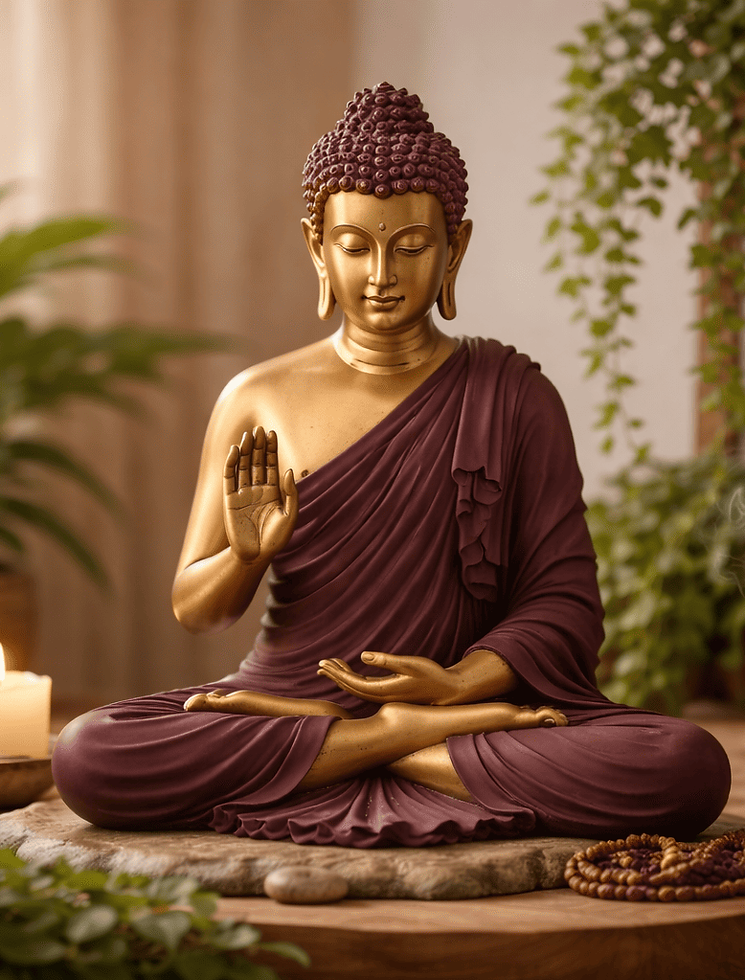
Meditative Buddha Statues
Ideal for calm corners

Handcrafted Buddha Statues
Crafted with detail

Peaceful Home Decor
Enhance positive energy

Indoor & Outdoor Buddha Statues
Versatile placement
Buy Protection Buddha statues from Phooldaan


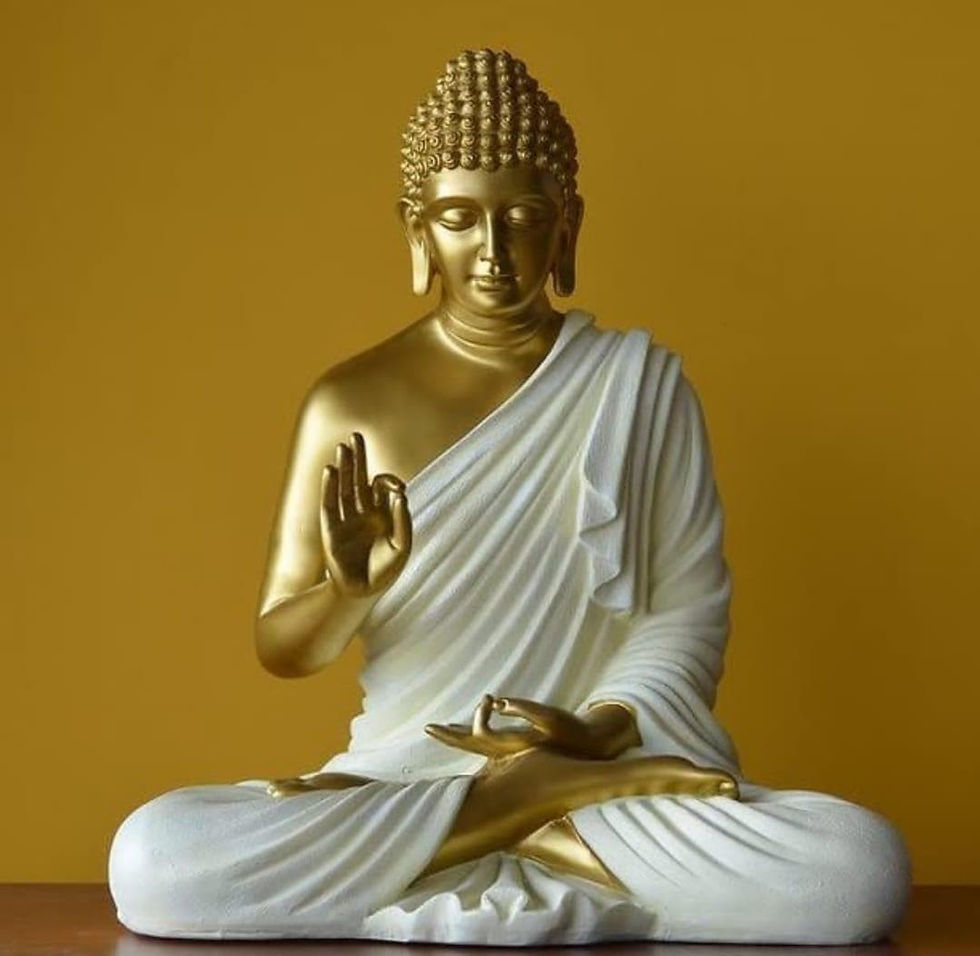


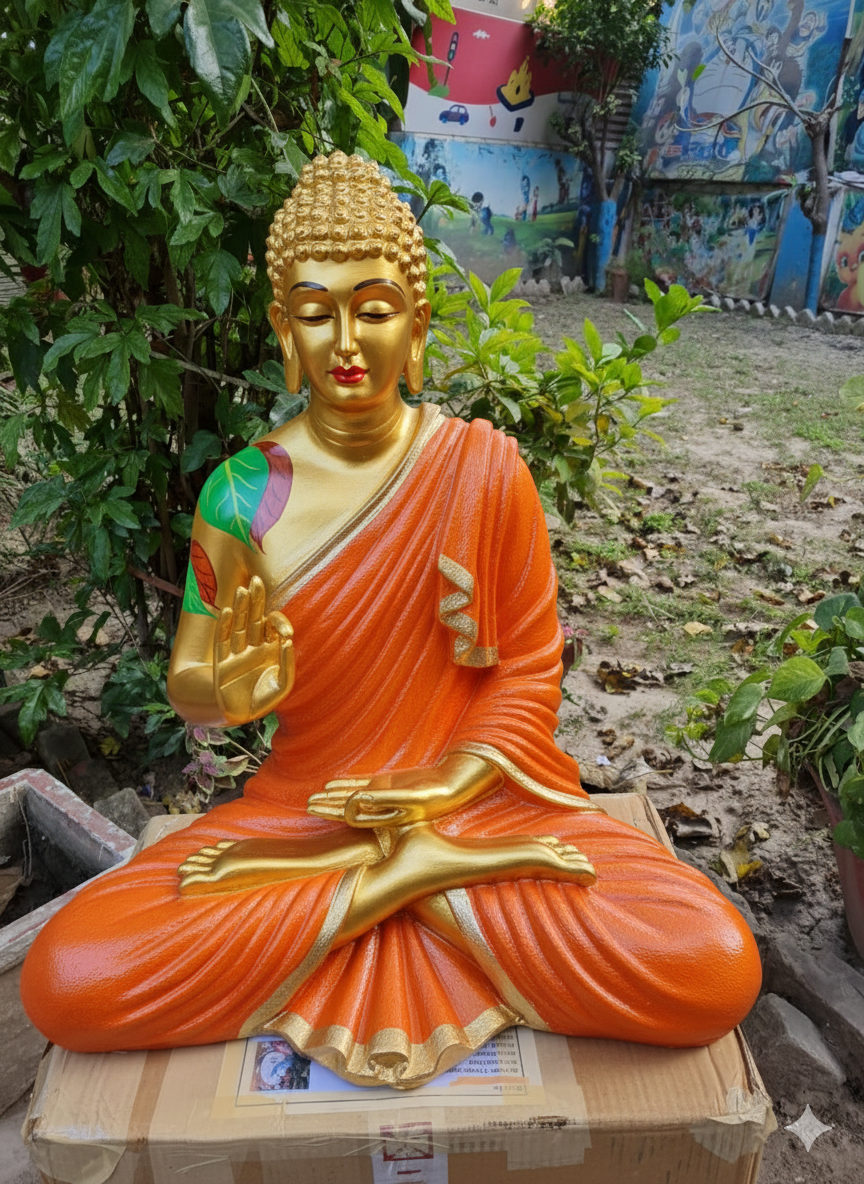


Buddha Statues that Bring Calm
Transform your space with Buddha statues designed to create peace, mindfulness, and visual harmony. Whether placed in living rooms, meditation corners, workspaces, balconies, or gardens, our Buddha statues help cultivate a sense of stillness and positive energy in everyday life.
Thoughtfully crafted for modern homes, each statue blends spiritual symbolism with refined aesthetics. From serene meditative poses to elegant handcrafted finishes, these pieces are more than decor—they’re gentle reminders to slow down, breathe, and reconnect. Ideal for both first-time buyers and seasoned collectors, our Buddha statues elevate interiors with meaning and grace.

Buddha Statues for Every Space
Modern living spaces are often filled with noise, visual clutter, and constant movement. Buddha statues help restore balance by introducing stillness, mindfulness, and a sense of calm into everyday environments. Each space has a different purpose, which is why Phooldaan offers Buddha statues in a variety of styles, sizes, and finishes—making it easy to find the right piece for your home, workspace, or outdoor area.

Living Rooms
Statement pieces for serene interiors

Bedrooms
Peaceful presence for restful spaces

Home - Offices
Calm that improves focus

Balconies and Corners
Quiet moments in everyday spaces

Benefits You'll Experience with Buddha Statues
Calm and Mindfulness
Create peaceful surroundings that encourage relaxation, meditation, and emotional balance in everyday spaces.
Positive Energy
Buddha statues are believed to promote harmony, clarity, and a sense of well-being in homes and workspaces.
Timeless Aesthetic
Thoughtfully crafted designs add elegance and serenity, blending spiritual meaning with modern décor.
Low-Maintenance Decor
Protection Buddha Statue
Introduction
The protection Buddha statue is a profound symbol of spiritual guardianship, peace of mind, and internal fearlessness. It is beautifully defined by the Abhaya Mudra, a sacred hand gesture where "abhaya" translates directly from Sanskrit to mean "without fear." In this specific posture, the Buddha is depicted either sitting or standing with his right hand raised to chest level, palm facing completely outward with fingers pointing up toward the sky, while his left hand rests relaxed in his lap or extends downward in a gesture of giving. The outward-facing open palm functions as an invisible spiritual shield or protective barrier, signifying the immediate dispersion of fear, negative vibrations, and chaotic attachments. This timeless icon acts as a daily reminder to remain emotionally grounded, mentally strong, and peaceful when facing life's unpredictable changes.
To fully unlock the shielding benefits of this idol and maintain a balanced household according to traditional Vastu and Feng Shui alignment principles, precise layout configuration is required. The absolute ideal location for a Protection Buddha statue is near the main entrance or foyer of your home. By placing the idol on an elevated mantle, console table, or shelf so that it faces directly toward the front door, it acts as an energetic filter—intercepting and neutralizing any negative or stressed energies before they cross into your private living space. You can buy this premium, artisan-crafted protection Buddha statue online from Phooldaan to elegantly elevate your home decor while anchoring your space with lasting comfort, harmony, and spiritual safety.
Who is the Buddhist god of protection?
In traditional Buddhism, there isn't a single supreme creator "god" of protection, but rather a collection of revered Bodhisattvas (enlightened beings) and Dharmapalas (wrathful guardian deities) who are invoked to shield followers from physical danger, mental distress, and negative spiritual forces. Foremost among these guardians is Avalokiteshvara (known as Guanyin in China or Chenrezig in Tibet), the Bodhisattva of Infinite Compassion, who is actively called upon to rescue individuals from disaster, fear, and suffering. Another universally celebrated protective figure is Green Tara, a swift, dynamic deity revered in Mahayana and Vajrayana traditions who immediately protects practitioners from the "eight great fears," which include deep-rooted emotional blockages like pride, delusion, anger, and external worldly dangers.
For structural home security and shielding space from negative architectural influences, Buddhist traditions also rely on fierce, protective entities. These include the Four Heavenly Kings (Lokapalas), who serve as cosmic guardians assigned to watch over the four cardinal directions of the universe and defend Buddhist teachings from malicious entities. In esoteric traditions, Mahakala and Vajrapani act as powerful, wrathful protectors that cut through deep personal ignorance and ward off internal spiritual blockages. For everyday homes, mirroring this sense of ultimate guardianship is easily achieved by focusing on the Protection Buddha (Abhaya Mudra). You can buy premium, handcrafted Protection Buddha idols online at Phooldaan to station near your entrance foyer, creating an elegant visual anchor that welcomingly blocks negative vibes and filters incoming energy for a harmonious household.
Who are the 4 protectors of Buddhism?
Bringing a sense of deep spiritual protection and structural alignment into your home is an excellent way to design a safe, high-vibration space. While these ancient kings are often seen guarding temple entryways, you can ground your own home foyer with identical shielding energy by positioning a Protection Buddha (Abhaya Mudra) at your front entrance. You can buy premium, artisan-crafted protection Buddha idols online at Phooldaan to station on an elevated console table or foyer shelf. Investing in a hand-finished spiritual statue from Phooldaan allows you to block incoming negative stress, maintain positive architectural balance, and welcome guests with an aura of absolute peace and security.
-
Dhritarashtra (Guardian of the East): His name means "He who maintains the state." Typically associated with the color white, he is the king of Gandharvas (celestial musicians) and is depicted playing a lute or stringed instrument, using the harmony of music to tame chaotic minds and pacify conflict.
-
Virudhaka (Guardian of the South): His name translates to "The growth of the kingdom." Associated with the color blue, he rules over the Kumbhandas (giant spirits) and wields a powerful sword to cut through deep human ignorance and defend spiritual boundaries.
-
Virupaksha (Guardian of the West): His name means "He who has varied eyes" or "Wide-eyed." Associated with the color red, he is the king of Nagas (serpent-like beings) and holds a small stupa (sacred relic container) in one hand and a serpent or jewel in the other, symbolizing clear vision and spiritual treasure.
-
Vaishravana / Kubera (Guardian of the North): The chief of the four kings, his name translates to "He who hears everything." Associated with the color yellow or green, he is the ruler of Yakshas (nature spirits) and holds a precious umbrella or banner of victory in one hand and a mongoose spitting jewels in the other, symbolizing ultimate protection and wealth.
Antidepressants allowed in Buddhism?
Yes, antidepressants are allowed and fully accepted in Buddhism. Mainstream Buddhist teachers, scholars, and monastics across all major traditions view prescribed psychiatric medications as necessary medical treatments rather than violations of spiritual vows.
To understand how modern medicine fits into Buddhist philosophy, the guidelines are evaluated through two primary frameworks:
1. The Fifth Precept & Intention
The Fifth Precept (Pancha Shila) requires practitioners to abstain from intoxicating drinks and drugs that lead to "heedlessness" or moral recklessness.
-
The Intention Factor: Buddhism places immense weight on Chetana (intention). Recreational drugs or alcohol are taken to escape reality, seek sensory euphoria, or cloud the mind, which creates a barrier to mindfulness.
-
The Medicinal Factor: Antidepressants are prescribed by medical professionals to correct chemical imbalances and stabilize an illness. Because the intention is to heal, manage a legitimate health condition, and restore a functional state of mind, they are classified as medicine (Bhesajja), which the Buddha explicitly permitted.
"The Buddha never taught against taking medications you need for an illness. Antidepressants are prescribed to clear the mind of debilitating distress, not to induce intoxication or carelessness."
2. Support for Spiritual Practice
In Buddhist psychology, extreme clinical depression or severe anxiety are recognized as heavy physical and mental obstructions that can completely paralyze a person's ability to concentrate, sit for meditation, or practice the Noble Eightfold Path.
Modern Buddhist consensus emphasizes that using appropriate, doctor-supervised medication to smooth out overwhelming emotional instability creates a steady, workable baseline. Far from hindering spiritual progress, stabilizing your mental health allows you to practice mindfulness, cultivate equanimity, and study the Dharma with far greater clarity and energy.
Which Buddha Statue Is Good for Home Entrance?
According to the ancient spatial alignment principles of Vastu Shastra and Feng Shui, the absolute best selection for a main home entryway is the Protection Buddha (also widely known as the Abhaya Mudra Buddha). In this highly auspicious posture, the Buddha is depicted either sitting or standing with his right hand raised to chest level, palm facing completely outward, while his left hand rests relaxed in his lap or points downward. This outward-facing palm functions as a powerful energetic filter or spiritual shield for your home—actively blocking incoming negative vibrations, neutralizing daily stress, and preventing chaotic outside forces from disrupting the peace of your private living space.
Alternatively, a Laughing Buddha statue or a serene Welcome Buddha holding both hands together in a traditional greeting pose is also considered highly beneficial for an entryway to attract wealth, abundance, and positive, cheerful opportunities.
-
The Right Direction: Place the Protection Buddha in your foyer facing completely outward toward the front door. This strategic alignment ensures it directly greets anyone crossing the threshold, immediately subduing hostile intentions and calming the minds of arriving guests.
-
The Height Rule: Never place the deity directly on the floor, on a low footstool, or next to a shoe rack. Station it majestically on an elevated console table, a sturdy mantle piece, or a dedicated wall shelf that raises the statue's eyes near or above eye level.
-
Keep It Serene: Ensure the surrounding foyer area stays completely free of heavy clutter, keys, messy mail piles, and muddy footwear. Maintaining a clean, pristine space around the icon allows its peaceful energy to flow smoothly into the rest of the house.
-
Optimal Lighting: Brighten the entrance or foyer zone with soft, warm ambient light, a modern spotlight, or an elegant lamp to beautifully highlight the statue's details and keep the entrance feeling warm and highly inviting.
Transforming your home entrance into a sophisticated sanctuary of safety and peaceful reassurance starts with selecting the right premium home accent. If you are ready to shop a curated collection of authentic, premium handcrafted Buddha idols, you can browse online at Phooldaan. Investing in an artisan-finished Protection Buddha from Phooldaan gives your entryway an exquisite design centerpiece while anchoring your family's living space with absolute security, balance, and quiet luxury.